Expert Neuro Rehabilitation & Recovery
Stroke or Cerebrovascular Accident Physiotherapy Treatment in Delhi
Regain Independence with Specialized Stroke / Cerebrovascular Accident Physiotherapy Treatment in Delhi
Has a stroke affected your ability to walk, move your arm, maintain balance, speak clearly, or perform daily activities independently? Our specialized Stroke / Cerebrovascular Accident Physiotherapy Treatment in Delhi is designed to help stroke survivors recover mobility, improve strength, restore function, and regain confidence in daily life.
Our experienced neuro physiotherapists provide evidence-based rehabilitation programs tailored to each patient's condition, recovery stage, and functional goals. Whether you are looking for the Best Physiotherapist in Delhi, a physiotherapist near you, home physiotherapy services, or convenient tele physiotherapy, our dedicated team is here to support your recovery journey.
In Clinic Sessions
Tel Physiotherapy
No Surgery Needed
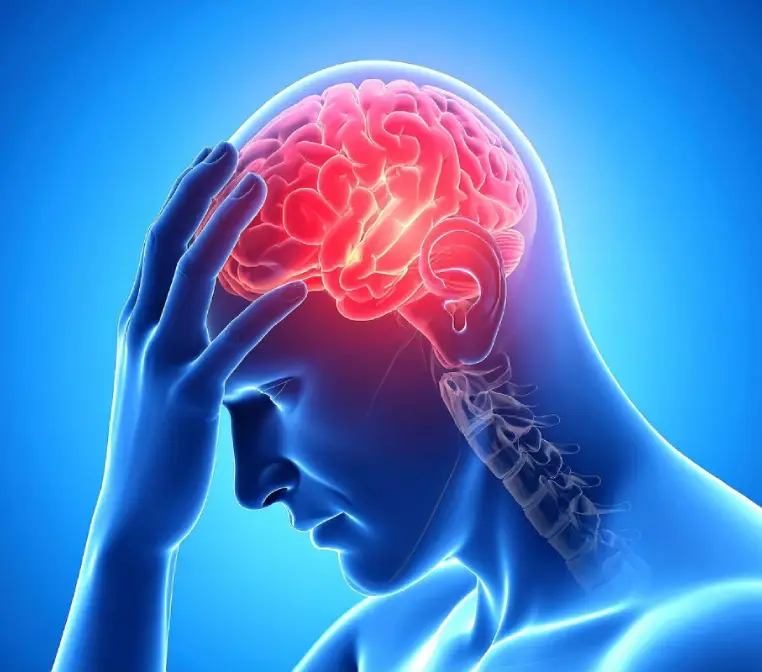
What is Stroke (Cerebrovascular Accident)?
A Stroke, also known as a Cerebrovascular Accident (CVA), occurs when the blood supply to a part of the brain is interrupted or reduced, preventing brain tissue from receiving oxygen and nutrients. Within minutes, brain cells begin to die, leading to neurological impairments.
Stroke is one of the leading causes of disability worldwide and can affect movement, speech, cognition, balance, coordination, and independence.
Early medical treatment followed by structured physiotherapy rehabilitation can significantly improve recovery outcomes.
Types of Stroke
Ischemic Stroke
This is the most common type of stroke and occurs when a blood vessel supplying the brain becomes blocked by a clot.
Transient Ischemic Attack (TIA)
Often called a "mini-stroke," TIA causes temporary blockage of blood flow to the brain and serves as a warning sign for future strokes.
Hemorrhagic Stroke
Occurs when a blood vessel in the brain ruptures, causing bleeding within or around the brain
Recognise the Signs
Symptoms of Stroke
Recognizing stroke symptoms early can save lives and reduce long-term disability
Sudden severe headache
Facial drooping
Dizziness
Difficulty walking
Sudden numbness in the face, arm, or leg
Loss of balance and coordination
Difficulty speaking or understanding speech
Confusion or altered consciousness
Blurred or double vision
Sudden weakness on one side of the body
Difficulty swallowing
Remember FAST F – Face Drooping A – Arm Weakness S – Speech Difficulty T – Time to Seek Emergency Medical Care Prompt treatment can significantly improve recovery potential
Root Causes
Causes of Stroke
A stroke occurs when the blood supply to a part of the brain is interrupted or reduced, preventing brain tissue from receiving oxygen and nutrients. Several medical conditions, lifestyle habits, and genetic factors can significantly increase the risk of stroke. Understanding these causes and risk factors is essential for prevention and maintaining long-term brain health.
Importance of Risk Factor Management
Although some risk factors such as age, gender, and family history cannot be controlled, many others can be effectively managed. Regular medical checkups, maintaining a healthy diet, exercising regularly, avoiding tobacco use, limiting alcohol consumption, and following prescribed treatments for medical conditions can significantly reduce the likelihood of stroke.
Early identification and management of these risk factors play a vital role in stroke prevention and help promote overall cardiovascular and neurological health.
High Blood Pressure (Hypertension)
Diabetes
High Cholesterol
Atrial Fibrillation (AFib)
Excessive Alcohol Consumption
Family History and Genetics
Individuals with a family history of stroke may have a higher genetic predisposition to conditions such as hypertension, diabetes, or high cholesterol, which can increase stroke risk. While genetics cannot be changed, lifestyle modifications can help mitigate the risk.
Smoking
Obesity and Overweight
Heart Disease
Physical Inactivity
Unhealthy Diet
Advanced Age
How is Stroke Diagnosed? (Including Glasgow Coma Scale Assessment)
Stroke diagnosis involves immediate medical evaluation, neurological assessment, and imaging studies to determine the type, location, and severity of the stroke

Clinical Examination
Doctors assess:
- Muscle strength
- Reflexes
- Sensation
- Coordination
- Speech and language abilities
- Cognitive function
- Balance and mobility
Glasgow Coma Scale (GCS)
The Glasgow Coma Scale (GCS) is commonly used to assess a patient's level of consciousness following a stroke or other neurological injury. It evaluates three components:
- Eye Opening Response (E)
- Verbal Response (V)
- Motor Response (M)
The total score ranges from 3 to 15:
- 13–15: Mild impairment
- 9–12: Moderate impairment
- 3–8: Severe impairment or coma
The GCS helps healthcare professionals monitor neurological status and determine the urgency and intensity of medical care
Diagnostic Tests
- CT Scan
- MRI Brain
- Carotid Ultrasound
- Echocardiogram
- Blood Tests
- Angiography
Accurate diagnosis helps determine the type and severity of stroke and guides treatment planning.
Stroke diagnosis involves immediate medical evaluation and imaging studies
Clinical Examination
Doctors assess:
- Muscle strength
- Reflexes
- Sensation
- Coordination
- Speech
- Cognitive function
Diagnostic Tests
- CT Scan
- MRI Brain
- Carotid Ultrasound
- Echocardiogram
- Blood Tests
- Angiography
Accurate diagnosis helps determine the type and severity of stroke and guides treatment planning.
Why Physiotherapy
Stroke Treatment
Emergency stroke treatment focuses on restoring blood flow and minimizing brain damage.
Medical Management
Depending on the type of stroke, treatment may include:
- Clot-busting medications
- Blood thinners
- Blood pressure control
- Surgical interventions
- Management of underlying risk factors
However, medical treatment alone is not sufficient for complete recovery.
Rehabilitation, particularly physiotherapy, plays a crucial role in helping patients regain lost function
Why Physiotherapy is Essential After Stroke
Stroke often causes weakness, paralysis, balance problems, stiffness, coordination deficits, and difficulty performing daily activities.
Physiotherapy helps the brain relearn movement patterns through a process known as neuroplasticity.
Benefits of stroke physiotherapy include: The earlier rehabilitation begins, the greater the potential for recovery
Improved mobility
Increased muscle strength
Enhanced coordination
Increased independence
Better balance
Reduced muscle stiffness
Improved walking ability
Reduced fall risk
Stroke / Cerebrovascular Accident Physiotherapy Treatment in Delhi
Our comprehensive stroke rehabilitation program focuses on restoring function and maximizing independence
Comprehensive Functional Assessment
Every patient undergoes a detailed evaluation including:
- Muscle strength assessment
- Range of motion testing
- Balance assessment
- Gait analysis
- Functional independence evaluation
- Postural assessment
A customized rehabilitation plan is then created
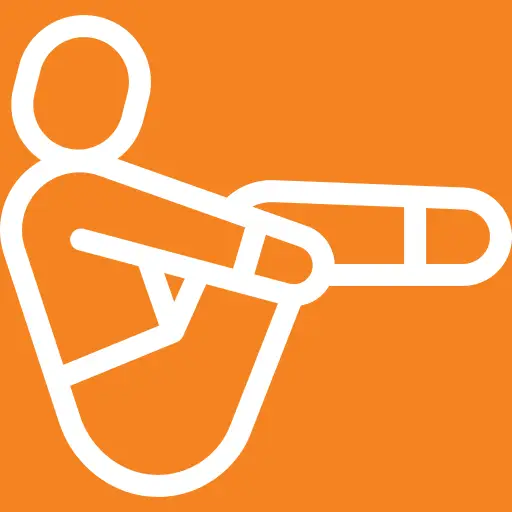
Mobility and Bed Transfer Training
Many stroke survivors struggle with basic movements.
Treatment includes:
- Rolling in bed
- Sitting balance training
- Bed mobility exercises
- Safe transfer techniques
- Sit-to-stand training
These skills form the foundation for independent movement
Gait Training
Walking difficulties are common after stroke.
Our physiotherapists focus on:
- Walking pattern correction
- Weight-bearing exercises
- Step training
- Walking endurance
- Assistive device training
- Stair climbing practice
The goal is to improve safe and efficient mobility
Balance Rehabilitation
Balance impairments significantly increase fall risk.
Our rehabilitation program includes:
- Static balance exercises
- Dynamic balance training
- Weight shifting activities
- Standing stability exercises
- Functional balance activities
Improved balance leads to safer movement and greater confidence
Strengthening Exercises
Stroke often causes weakness on one side of the body.
Treatment focuses on:
- Upper limb strengthening
- Lower limb strengthening
- Core stability exercises
- Functional strengthening
- Progressive resistance training
Stronger muscles improve overall function and independence
Neuro-Reeducation Exercises
Neuro-rehabilitation helps retrain the brain and nervous system.
Techniques may include:
- Task-specific training
- Motor relearning exercises
- Repetitive movement practice
- Functional activity training
- Coordination exercises
These interventions encourage recovery of lost movement patterns
Spasticity and Muscle Tightness Management
Many stroke survivors develop muscle stiffness and spasticity.
Physiotherapy interventions include:
- Stretching exercises
- Positioning techniques
- Range of motion exercises
- Weight-bearing activities
- Neuromuscular facilitation techniques
Managing spasticity helps improve comfort and movement quality
Upper Limb Rehabilitation
Recovery of arm and hand function is often a major goal.
Treatment may include:
- Reaching exercises
- Grasp and release training
- Fine motor activities
- Hand coordination exercises
- Functional task practice
These activities improve independence in daily living
Functional Independence Training
Stroke survivors often struggle with routine activities.
Physiotherapy focuses on:
- Standing from a chair
- Dressing
- Personal hygiene
- Household mobility
- Stair climbing
- Community ambulation
The goal is to restore confidence and independence
Recovery Journey
Tele Physiotherapy for Stroke
While severe or newly paralyzed stroke patients often benefit most from in-person physiotherapy, tele physiotherapy can be highly effective for selected patients, particularly those who are medically stable, have caregiver support, or are continuing rehabilitation after initial hands-on treatment.
It can help with exercise supervision, progress monitoring, caregiver education, home exercise progression, and long-term recovery support when regular clinic visits are difficult Tele rehabilitation can be highly effective when supervised by an experienced physical therapist
Convenient access to specialist care
Personalized exercise programs
Cost-effective treatment option
Regular progress monitoring
Family involvement in rehabilitation
Continuity of care
Home Physiotherapy for Stroke Patients
Many stroke patients recover better in familiar surroundings.
Our home physiotherapy services provide
One-on-one rehabilitation
Functional home-based training
Caregiver education
Customized recovery plans
Safer rehabilitation environment
Stroke Recovery Timeline
Every patient recovers differently.
Recovery depends on:
- Stroke severity
- Location of brain injury
- Age
- General health
- Early intervention
- Consistency of rehabilitation
Many patients continue to make improvements months or even years after stroke with ongoing therapy and exercise
Long-Term Maintenance After Stroke
Recovery does not end after initial rehabilitation.
Maintenance Strategies
- Regular exercise
- Walking practice
- Balance training
- Strengthening exercises
- Flexibility exercises
- Healthy diet
- Blood pressure management
- Diabetes control
- Regular medical follow-up
Ongoing physiotherapy can help maintain gains and prevent functional decline.
Why Choose Us for Stroke
Cerebrovascular Accident Physiotherapy Treatment in Delhi?
Specialized Neuro Physiotherapists
Experienced professionals trained in stroke rehabilitation and neurological recovery.
Personalized Treatment Plans
Customized rehabilitation programs based on individual recovery goals
Home Physiotherapy Available
Professional stroke rehabilitation in the comfort of your home
Tele Physiotherapy Services
Expert online consultations and guided therapy sessions
Evidence-Based Treatment
Modern rehabilitation approaches backed by clinical research
Holistic Recovery Approach
Comprehensive care focused on mobility, function, confidence, and independence
Book Stroke / Cerebrovascular Accident Physiotherapy Treatment in Delhi Today
Stroke recovery is a journey, and the right rehabilitation program can make a significant difference. Our specialized Stroke / Cerebrovascular Accident Physiotherapy Treatment in Delhi is designed to help patients regain mobility, restore function, improve independence, and achieve the highest possible quality of life.
Whether you need clinic-based care, home physiotherapy, or tele physiotherapy services, our experienced team is ready to support your recovery every step of the way. Contact us today to schedule a comprehensive stroke rehabilitation assessment and begin your personalized recovery plan
Our Founder
About Dr Priya Gaur
Dr. Priya Gaur is a Musculoskeletal Physiotherapist with over 7 years of clinical experience, specialising in pain management, movement rehabilitation, and spine care.
She holds a Bachelor of Physiotherapy (B.P.T.) from Chhatrapati Shahu Ji Maharaj University and a Master’s in Musculoskeletal Physiotherapy from Maharishi Markandeshwar University.
With clinical training at Fortis Hospital and experience in a dedicated Spine Clinic in Delhi, Dr. Priya follows an evidence-based, patient-centred approach focused on personalised rehabilitation and long-term recovery.

We Treat
Patient Case Studies
Whether you're dealing with chronic pain, a sports injury, or recovering from surgery our expert physiotherapist in Delhi near you have you covered.

From Pain to Progress
An 18-year-old medical student’s journey towards improved posture, mobility, strength, and confidence through personalised rehabilitation.

From Bedridden to Back to the Fields
A 65-year-old farmer’s inspiring recovery from spinal fracture, pain, and limited mobility to renewed strength, confidence, and independence through personalised physiotherapy.
Online Sessions
Frequently Asked Questions (FAQs)
How soon should physiotherapy start after a stroke?
Physiotherapy should begin as early as medically safe. Early rehabilitation often leads to better recovery outcomes
Can stroke patients recover completely?
Recovery varies depending on the severity of the stroke and the consistency of rehabilitation. Many patients regain significant function through physiotherapy
How long does stroke rehabilitation take?
Recovery can take weeks, months, or years. Continuous rehabilitation often provides the best results
Is physiotherapy necessary after a stroke?
Yes. Physiotherapy is one of the most important components of stroke recovery and helps restore movement, balance, strength, and independence
Can tele physiotherapy help stroke patients?
Yes. Tele physiotherapy can effectively support exercise supervision, progress monitoring, and ongoing rehabilitation
How many physiotherapy sessions are required?
The number of sessions depends on stroke severity, recovery goals, and individual progress. A physiotherapist will recommend a personalized treatment schedule
Can physiotherapy reduce muscle stiffness after stroke?
Yes. Stretching, positioning, movement therapy, and neuro-rehabilitation techniques can help manage spasticity and stiffness
Ready to Live Pain Free?
Join 1,000+ Delhiites who chose My Rehabify, Delhi's best physiotherapist for their recovery journey. Your first consultation is completely free.
Email Us
Call Us:
Timing
Mon-Sat: 9am-8pm
Sun: Closed