
Neurological Physiotherapy, Rehabify Delhi
Neurological Physiotherapist in Delhi
Rehabify is a trusted neurological physiotherapist clinic in Delhi, helping patients with stroke, Parkinson's disease, multiple sclerosis, spinal cord injuries, and brain injuries regain movement, strength, and independence. Our structured, patient centred approach supports recovery at every stage.
In Clinic Sessions
Tel Physiotherapy
No Surgery Needed
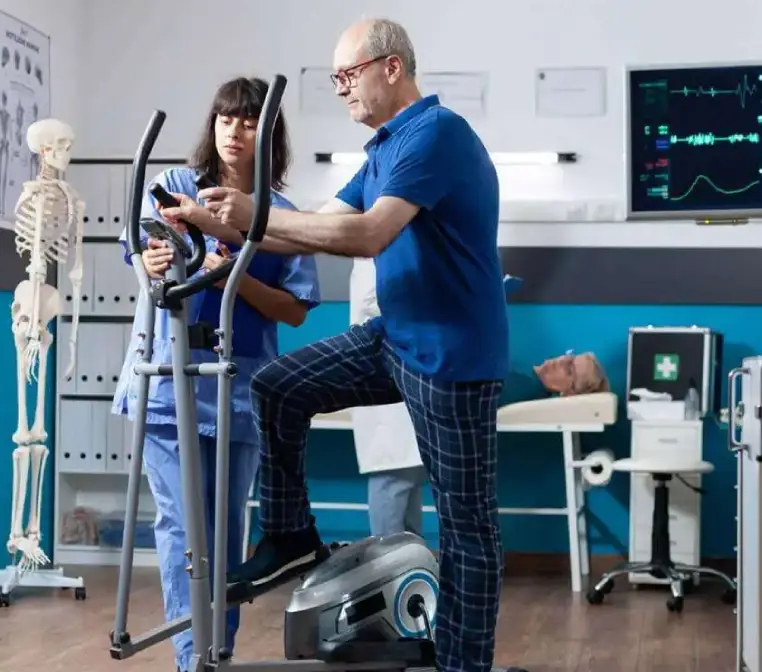
What Does a Neurological Physiotherapist in Delhi Do?
A neurological physiotherapist works with patients whose movement, balance, or coordination has been affected by a condition of the brain, spinal cord, or nervous system. This includes stroke, Parkinson's disease, multiple sclerosis, spinal cord injury, and traumatic brain injury.
At Rehabify, our neurological physiotherapy programme in Delhi is built on the understanding that the nervous system can adapt and relearn movement, given the right structured practice, repetition, and support over time.
Whether you are in the early days after a stroke, managing a progressive condition like Parkinson's disease, or working through long term recovery after a spinal cord or brain injury, our goal is to help you move with as much independence and confidence as possible.
Stroke Rehabilitation
Movement Retraining
Task specific practice to relearn walking and daily movement patterns.
Balance and Coordination
Exercises to reduce fall risk and improve steadiness in daily life.
Long Term Support
Ongoing care that adapts as your condition or recovery progresses.
Neurological Conditions We Treat in Delhi
As an experienced neurological physiotherapist in Delhi, we treat a wide range of conditions affecting the nervous system, with a plan built around your specific diagnosis, symptoms, and recovery goals.
🧠
Stroke
-
Movement and Strength Retraining
-
Balance and Gait Training
-
Task Specific Practice
-
Home Safety and Function Support
Parkinson's Disease
-
Gait and Freezing Management
-
Balance and Fall Prevention
-
Flexibility and Posture Work
-
Functional Movement Strategies
🔗
Multiple Sclerosis
-
Fatigue Aware Exercise Planning
-
Strength and Endurance Training
-
Balance and Coordination Work
-
Symptom Flare Adjusted Care
🦴
Spinal Cord and Brain Injuries
-
Functional Strength Rebuilding
-
Transfer and Mobility Training
-
Adaptive Movement Strategies
-
Long Term Rehabilitation Planning
Signs You May Need a Neurological Physiotherapist
Changes in movement or coordination are sometimes dismissed until they become severe. In most cases, early physiotherapy support leads to better long term outcomes.
Weakness on One Side of the Body
Reduced strength or control, often following a stroke.
Changes in Walking Pattern
Shuffling, dragging a foot, or an unsteady, uneven gait.
Balance Difficulty or Falls
Feeling unsteady or falling more often than before.
Tremors or Stiffness
Shaking or rigidity in the limbs, common in Parkinson's disease.
Unusual Fatigue With Movement
Numbness or Reduced Sensation
Loss of feeling in the hands, feet, or limbs.
Coordination Difficulties
Movement Loss After Injury
How Our Neurological Physiotherapy Works
Every treatment plan starts with a detailed assessment of your movement, strength, and function. From there, we build a structured programme based on repetition and task specific practice.

Detailed Neurological Assessment
A thorough evaluation of movement, strength, balance, and coordination to guide a treatment plan suited to your condition.
Task Specific Movement Retraining

Balance and Gait Training

Strength and Functional Training

Fine Motor and Hand Function Work
Exercises to support coordination and control needed for tasks such as eating, writing, and dressing.

Home Exercise and Carer Guidance
Practical home programmes and family training that support safe, consistent progress between sessions.
Why Choose Our Neurological Physiotherapist in Delhi
Neurological recovery takes time, structure, and patience. We combine clinical expertise with steady, encouraging support throughout your rehabilitation journey.
Specialist Qualification
MPT level training in neurological rehabilitation and movement disorders.
Personalised Programmes
Every plan reflects your specific condition, stage, and functional goals.
Home Visits Available
For patients with limited mobility, we bring care directly to your home.
Family Involved Care
Structured, Progressive Plans
Clear, measurable goals that evolve as your recovery progresses.
Patient, Long Term Support
Regain Movement, Rebuild Confidence
Trusted neurological physiotherapy in Delhi for stroke, Parkinson's disease, multiple sclerosis, spinal cord injuries, and brain injuries. In clinic or home visits available.
Our Founder
About Dr Priya Gaur
Dr. Priya Gaur is a Musculoskeletal Physiotherapist with over 7 years of clinical experience, specialising in pain management, movement rehabilitation, and spine care.
She holds a Bachelor of Physiotherapy (B.P.T.) from Chhatrapati Shahu Ji Maharaj University and a Master’s in Musculoskeletal Physiotherapy from Maharishi Markandeshwar University.
With clinical training at Fortis Hospital and experience in a dedicated Spine Clinic in Delhi, Dr. Priya follows an evidence-based, patient-centred approach focused on personalised rehabilitation and long-term recovery.

We Treat
Patient Case Studies
Whether you're dealing with chronic pain, a sports injury, or recovering from surgery our expert physiotherapist in Delhi near you have you covered.

From Pain to Progress
An 18-year-old medical student’s journey towards improved posture, mobility, strength, and confidence through personalised rehabilitation.

From Bedridden to Back to the Fields
A 65-year-old farmer’s inspiring recovery from spinal fracture, pain, and limited mobility to renewed strength, confidence, and independence through personalised physiotherapy.
Online Sessions
Neurological Physiotherapy Questions Answered
Still have a question about stroke, Parkinson's, or another neurological condition? Call us and our team will guide you.
What does a neurological physiotherapist in Delhi treat?
A neurological physiotherapist treats conditions affecting the brain, spinal cord, and nervous system, including stroke, Parkinson's disease, multiple sclerosis, spinal cord injuries, and brain injuries. Treatment is tailored to your specific diagnosis, symptoms, and functional goals.
When should I start physiotherapy after a fracture?
Physiotherapy often begins within days of a stroke, once medically stable, as early movement and structured practice support better long term recovery. The programme is then progressed gradually over weeks and months based on your response and goals.
Can physiotherapy help Parkinson's disease?
Yes, physiotherapy is a well established part of managing Parkinson's disease. Regular exercise focused on gait, balance, and flexibility can help maintain mobility, reduce fall risk, and support quality of life alongside medical treatment.
Is physiotherapy helpful for multiple sclerosis with fluctuating symptoms?
Yes, physiotherapy for multiple sclerosis is adapted continuously based on how you are feeling, since symptoms can vary day to day. Exercise plans focus on maintaining strength, endurance, and balance while respecting fatigue and symptom flares.
How long does neurological rehabilitation usually take?
Recovery time varies widely depending on the condition, severity, and individual response to treatment. Some patients see significant progress within a few months, while others, particularly with spinal cord or severe brain injuries, benefit from longer term, ongoing rehabilitation.
Do you offer home visits for neurological patients?
Yes, we understand travel can be difficult for patients with significant mobility limitations. Our neurological physiotherapist can visit you at home across Delhi for both assessment and ongoing treatment sessions.
Can improvement still happen years after a brain or spinal injury?
Yes, meaningful improvement is still possible even years after a brain or spinal cord injury. The nervous system retains some capacity to adapt over time, and structured, consistent physiotherapy can support continued gains in strength, function, and independence.
Ready to Live Pain Free?
Join 1,000+ Delhiites who chose My Rehabify, Delhi's best physiotherapist for their recovery journey. Your first consultation is completely free.
Email Us
Call Us:
Timing
Mon-Sat: 9am-8pm
Sun: Closed