
Shoulder Blade Rehabilitation · Delhi
Scapular Dyskinesis & Winging Physiotherapy Delhi
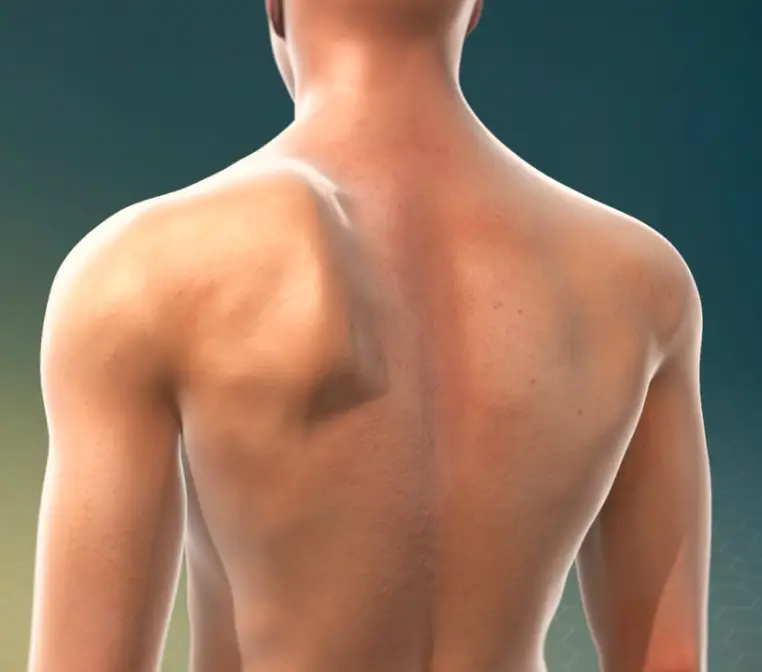
Are you experiencing shoulder instability, discomfort while lifting your arm, or visible shoulder blade protrusion? You may be dealing with scapular dyskinesis (scapular winging) a common yet often overlooked cause of shoulder pain and dysfunction At our clinic, we provide Scapular Dyskinesis / Scapular Winging Physiotherapy Treatment in Delhi, combining evidencebased rehabilitation with personalized care. Whether you're an athlete, a working professional, or a homemaker, our goal is to restore optimal shoulder function through targeted physiotherapy. If you're searching for the best physiotherapist in Delhi, a physiotherapist near you, or even tele physiotherapy, you’re in the right place.
In Clinic Sessions
Tel Physiotherapy
Home Visit sessions
Recognise the Signs
Common Symptoms to Watch For
Scapular dyskinesis is often dismissed as general shoulder pain. These specific signs suggest your shoulder blade mechanics not just the joint need attention. Early consultation leads to significantly faster recovery.
Shoulder Pain on Overhead Activity
Visible Shoulder Blade Protrusion

Arm & Shoulder Weakness
Restricted Arm Rotation

Early Fatigue During Repetition
Clicking or Grinding Sensation
Neck & Upper Back Discomfort
Root Causes
Causes of Scapular Winging
Scapular dyskinesis is almost always secondary to an underlying cause muscle imbalance, nerve injury, posture, or structural damage. Identifying the exact source is what makes treatment effective and lasting.
Muscle Imbalance
Weakness in the serratus anterior or lower trapezius the primary scapular stabilisers disrupts normal scapular tracking during arm movement, leading to winging and abnormal mechanics.
Nerve Injury
Damage to the long thoracic nerve (which supplies the serratus anterior) is a well recognised cause of classic medial scapular winging often following trauma, surgery, or repetitive pressure.
Poor Posture
Forward head posture and rounded shoulders increasingly common in desk based professionals alter the resting position of the scapula and chronically overload the upper trapezius and levator scapulae.
Overuse in Overhead Sports
Athletes in cricket, badminton, swimming, and volleyball are at heightened risk due to repetitive overhead loading, which progressively fatigues the scapular stabilising muscles over time.
Existing Shoulder Injuries
Rotator cuff injuries, shoulder impingement, or labral tears can alter motor patterns and compensatory mechanics leading to secondary scapular dyskinesis even when the primary injury is being treated.
Clinical Assessment
Precise Diagnosis First Always
A skilled physiotherapist performs a comprehensive scapular assessment before any treatment begins. Getting the diagnosis right is what makes the difference between lasting recovery and temporary relief.

Postural Analysis
Movement Pattern Evaluation
Observation of scapular tracking during arm elevation, rotation, and functional tasks to identify specific movement faults.

Scapular Positioning Tests
Standardised tests including the lateral scapular slide test to quantify asymmetry and identify winging patterns.

Muscle Strength Testing
Manual muscle testing of serratus anterior, lower/middle trapezius, and rotator cuff to identify specific deficits.

Functional Movement Screening
Sport or work specific functional assessments to understand how the condition affects your actual daily performance.

Nerve Integrity Assessment
Neurological screening for long thoracic or spinal accessory nerve involvement critical when winging is present at rest.
Specialised Treatment
Physiotherapy Treatment for Scapular Dyskinesis in Delhi
Our Scapular Dyskinesis Physiotherapy Treatment in Delhi, focuses on correcting the root cause, not just symptoms.
Pain Management
- Electrotherapy (IFT, TENS, ultrasound)
- Manual therapy techniques
- Myofascial release
Postural Correction
- Ergonomic advice for work setup
- Postural awareness training
- Taping techniques for scapular alignment

Muscle Activation & Strengthening
- Serratus anterior strengthening (wall slides, push up plus)
- Lower trapezius activation
- Rotator cuff strengthening
Movement Re Education
- Scapulohumeral rhythm training
- Functional movement correction
- Activity specific rehabilitation

Advanced Rehabilitation
- Resistance band training
- Stability and proprioception exercises
- Sports specific drills
Home Exercise Programme
- Video Guided Exercises
- Progressive Difficulty Levels
- Long Term Maintenance Plan
Clinic Can't Come to You? We Can.
Our tele physiotherapy service delivers expert scapular rehabilitation remotely. Real time video consultations, guided muscle activation exercises, and ongoing posture monitoring all from your home setup.
Real Time Guided Exercise Sessions
Posture Correction from Your Home Setup
Continuous Monitoring & Progression
Tele Physiotherapy
Expert Care, Anywhere in India
Tele rehab is particularly effective for scapular dyskinesis posture and exercise based conditions that are well suited to guided remote sessions.
New Mothers
Athletes Outstation
Working Professionals
Home Based Rehab
Long Term Recovery
Maintenance After Treatment
Recovery doesn't end when pain stops. Maintaining scapular strength and posture is the key to preventing recurrence and keeping your shoulder functioning at its best long term.
Continue Strengthening Exercises
Maintain Correct Posture Daily
Avoid Sudden Activity Spikes
Regular Physiotherapy Follow Ups
Prevention Tips
Preventing scapular dyskinesis is considerably easier than treating it. Small, consistent habits make a significant difference especially for desk workers and athletes.
Set up an ergonomic workstation monitor at eye level, chair supporting lumbar curve
Avoid prolonged slouching set reminders to check and correct your posture every hour
Incorporate shoulder mobility and scapular stability exercises 3x per week
Always warm up the rotator cuff and scapular stabilisers before training or sport
Strengthen your upper back and core they are the foundation of scapular control
Take frequent breaks from laptops and phones stretch and retract the shoulders regularly
Don't Ignore Scapular Winging
Left untreated, scapular dyskinesis progresses to chronic shoulder pain, rotator cuff impingement, and long term functional limitation. Early physiotherapy is always the most effective option.
Why Rehabify
Why Choose My Rehabify for Scapular Dyskinesis Treatment?
If you're looking for the best physiotherapist in Delhi for scapular dyskinesis here is what makes our approach different, and why patients return to My Rehabify for lasting results.

MSK & Sports Expertise
Dr. Priya Gaur's MPT specialisation in musculoskeletal physiotherapy means you receive expert level shoulder mechanics assessment and rehabilitation not general physiotherapy.

Evidence Based Treatment
Every technique and exercise protocol we use is grounded in current clinical research not tradition or guesswork. We apply what the science consistently shows works.=

Online & Offline Consultations
Full quality care whether you visit our Delhi clinic or connect via tele physiotherapy flexible options designed around your schedule and location.

Personalised Rehab Programmes
No two cases of scapular dyskinesis are identical. Your programme is built from scratch around your specific deficits, occupation, sport, and recovery goals.
Patient Education & Long Term Support
We don't just treat we teach. You leave every session understanding your condition better and knowing exactly how to maintain the gains you've made.
Restore Movement. Regain Strength. Live Pain Free.
Don’t let shoulder pain limit your daily activities. Whether you prefer in clinic sessions or tele physiotherapy, expert help is available. Take the first step toward recovery with the best physiotherapist in Delhi. Search for a physiotherapist near you or contact us directly to schedule your assessment. Restore movement. Regain strength. Live pain free.
Our Founder
About Dr Priya Gaur
Dr. Priya Gaur is a Musculoskeletal Physiotherapist with over 7 years of clinical experience, specialising in pain management, movement rehabilitation, and spine care.
She holds a Bachelor of Physiotherapy (B.P.T.) from Chhatrapati Shahu Ji Maharaj University and a Master’s in Musculoskeletal Physiotherapy from Maharishi Markandeshwar University.
With clinical training at Fortis Hospital and experience in a dedicated Spine Clinic in Delhi, Dr. Priya follows an evidence-based, patient-centred approach focused on personalised rehabilitation and long-term recovery.

We Treat
Patient Case Studies
Whether you're dealing with chronic pain, a sports injury, or recovering from surgery our expert physiotherapist in Delhi near you have you covered.

From Pain to Progress
An 18-year-old medical student’s journey towards improved posture, mobility, strength, and confidence through personalised rehabilitation.

From Bedridden to Back to the Fields
A 65-year-old farmer’s inspiring recovery from spinal fracture, pain, and limited mobility to renewed strength, confidence, and independence through personalised physiotherapy.
Online Sessions
FAQs
Your Questions Answered
Have a question that isn't listed? Call us directly and our physiotherapy team will be happy to walk you through your condition and the right treatment path.
Is tele physiotherapy effective?
Absolutely. With proper guidance, tele physiotherapy can deliver excellent results, especially for posture and exercise based rehab.
Can I do exercises at home?
Yes, but it’s important to follow a structured program designed by a qualified physical therapist.
Do I need surgery?
Most cases do not require surgery. Physiotherapy is the first and most effective line of treatment.
How long does recovery take?
Recovery typically takes 4–8 weeks depending on severity, consistency with exercises, and underlying cause.
Can scapular dyskinesis heal on its own?
Mild cases may improve, but most require guided physiotherapy to correct muscle imbalances and movement patterns.
Is scapular winging serious?
Yes, if left untreated, it can lead to chronic shoulder dysfunction and pain. Early physiotherapy intervention is highly effective.
What is the cost of shoulder pain treatment in Delhi?
Costs vary based on the condition and treatment plan. We offer affordable and customized packages.
What causes scapular dyskinesis?
Scapular dyskinesis is commonly caused by muscle weakness, poor posture, shoulder injuries, repetitive overhead activities, nerve irritation, or muscle imbalances that affect the normal movement of the shoulder blade.
What physiotherapy treatments are used for scapular dyskinesis?
Treatment may include scapular stabilization exercises, manual therapy, posture correction, shoulder strengthening, flexibility training, neuromuscular re-education, and movement retraining to restore normal shoulder mechanics.
Why choose My Rehabify for Scapular Dyskinesis Physiotherapy Treatment in Delhi?
At My Rehabify, our experienced physiotherapists provide personalized, evidence-based rehabilitation programs to improve shoulder blade control, restore shoulder function, reduce pain, and help patients safely return to work, sports, and everyday activities.
Ready to Live Pain Free?
Join 1,000+ Delhiites who chose My Rehabify, Delhi's best physiotherapist for their recovery journey. Your first consultation is completely free.
Email Us
Call Us:
Timing
Mon-Sat: 9am-8pm
Sun: Closed