
Chondromalacia Patella Rehabilitation · Delhi
Chondromalacia Patella Physiotherapy Treatment in Delhi
Effective, Non Surgical Knee Pain Relief by Expert Physiotherapists
Are you experiencing persistent knee pain while climbing stairs, squatting, or sitting for long hours? You may be dealing with Chondromalacia Patella, a common yet often overlooked knee condition. At our clinic, we offer Chondromalacia Patella physiotherapy treatment in Delhi, designed to relieve pain, restore mobility, and prevent long term damage without surgery.
If you’re searching for the best physiotherapist in Delhi, a physiotherapist near you, or need tele physiotherapy, you’re in the right place.
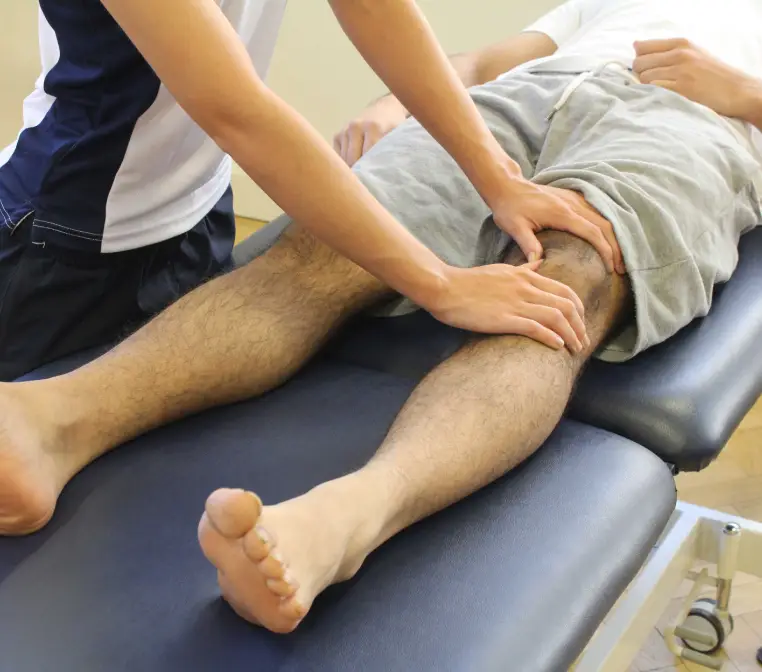
Recognise the Signs
Symptoms of Chondromalacia Patella
Recognizing the symptoms of Chondromalacia Patella early is important to prevent worsening of knee pain and cartilage damage. Symptoms usually develop gradually and may increase during activities that place stress on the kneecap. Early physiotherapy intervention can help reduce pain, improve mobility, and prevent long term complications. If you notice these symptoms, consult a qualified physical therapist for proper assessment and early treatment.
Dull, Aching Pain in the Front of the Knee
A persistent aching pain around or behind the kneecap is one of the most common symptoms, especially during movement.
Pain While Climbing or Descending Stairs
Activities like stair climbing increase pressure on the patellofemoral joint and may trigger discomfort or pain.

Discomfort After Prolonged Sitting (Theater Sign)
Sitting for long periods with bent knees can cause stiffness and pain when standing up or walking.

Grinding or Clicking Sensation in the Knee
Some patients experience grinding, popping, or clicking sounds during knee movement due to cartilage irritation.
Swelling Around the Patella
Mild swelling or inflammation around the kneecap may occur after activity or prolonged strain.
Knee Stiffness or Reduced Range of Motion
The knee may feel stiff, tight, or difficult to move comfortably during daily activities.
Causes of Chondromalacia Patella
Chondromalacia Patella can develop due to a combination of biomechanical issues, muscle imbalance, overuse, and lifestyle related factors. These problems increase pressure and friction between the kneecap and the thigh bone, leading to irritation and gradual cartilage damage. Poor posture, repetitive knee stress, weak thigh or hip muscles, improper movement patterns, and prolonged sitting habits can all contribute to the condition. Identifying the underlying cause is important for effective physiotherapy treatment and long term prevention of knee pain.
Muscle Imbalance
Weak quadriceps (especially VMO) and tight hamstrings can disrupt patellar tracking.
Overuse
Repetitive stress from running, jumping, or cycling increases wear on cartilage.
Poor Patellar Alignment
Misalignment causes uneven pressure on the cartilage.
Flat Feet or Improper Foot Mechanics
This alters the kinetic chain, affecting knee stability.
Injury or Trauma
Direct impact to the knee may damage cartilage.
Sedentary Lifestyle
Prolonged sitting weakens muscles and stiffens joints.
Diagnosis of Chondromalacia Patella
A precise diagnosis is essential for targeted treatment. Our expert Physiotherapists in Delhi follow a structured assessment:

Clinical Examination
Our physiotherapists perform a detailed assessment including posture analysis, gait evaluation, patellar tracking, and muscle strength testing.

Special Tests
Specific orthopedic tests such as Clarke’s test and patellar grind test help confirm patellofemoral involvement and pain source.

Imaging (If Required)
X rays may be advised to rule out bone related problems, while MRI helps assess the extent of cartilage damage and inflammation.
Specialised Treatment
Chondromalacia Patella Physiotherapy Treatment in Delhi
Physiotherapy is the gold standard treatment for Chondromalacia Patella. Our approach is evidence based, personalized, and focused on long term recovery.
Pain Management
- Electrotherapy (IFT, TENS, Ultrasound) Electrotherapy helps reduce pain, inflammation, and muscle tightness while supporting faster recovery.
- Ice/Heat Therapy Ice reduces swelling, while heat therapy relaxes muscles and improves circulation.
- Activity Modification Avoiding painful activities temporarily helps prevent further knee irritation.
Strengthening Exercises
- Quadriceps Strengthening (VMO Activation) Strengthening the quadriceps improves kneecap stability and knee support.
- Hip & Core Strengthening Hip and core exercises improve alignment, balance, and lower limb control.
Stretching Program
- Hamstrings & Quadriceps Stretching Regular stretching improves flexibility and reduces pressure on the knee joint.
- IT Band & Calf Stretching These stretches help improve movement mechanics and reduce muscle tightness.
Patellar Mobilization & Taping
- Patellar Alignment Correction Mobilization and taping techniques improve kneecap tracking during movement.
- Pain Reduction During Activity These techniques reduce stress on the cartilage and improve comfort.
Biomechanical Correction
- Gait & Foot Posture Correction Correcting walking patterns and foot posture reduces abnormal knee stress.
- Orthotics Recommendation Supportive orthotics may be recommended to improve alignment and stability.
Functional Training
Recovery Timeline
Recovery from Chondromalacia Patella varies depending on the severity of cartilage damage, muscle weakness, and consistency with physiotherapy treatment. Regular physiotherapy sessions, home exercises, and activity modifications are essential for achieving long term results and preventing recurrence.
Mild Cases (3/6 Weeks)
Patients with early stage symptoms often experience significant pain relief and improved mobility within a few weeks of regular physiotherapy.
Moderate Cases (6/10 Weeks)
Moderate conditions may require a structured rehabilitation program focusing on strengthening, flexibility, and movement correction.
Severe Cases (3+ Months)
Advanced cases involving persistent pain or significant cartilage irritation may take several months for full recovery and functional improvement.
Long Term Recovery
Maintenance Tips for Long Term Knee Health
Once pain reduces, maintaining knee health is essential:
Continue Strengthening Exercises
Regular knee and hip strengthening exercises help maintain joint stability and prevent recurrence of pain.
Avoid Prolonged Sitting
Sitting for long hours can increase pressure on the kneecap. Take short breaks and stretch regularly.
Use Proper Footwear
Supportive footwear improves alignment and reduces strain on the knees during walking and activity.
Maintain Healthy Body Weight
Healthy body weight reduces stress on the knee joint and supports long term recovery.
Warm Up Before Physical Activity
A proper warm up prepares the muscles and joints, reducing the risk of knee strain or injury.
Prevention of Chondromalacia Patella
Prevention focuses on correcting biomechanics and lifestyle habits:
Regular Muscle Strengthening Strengthening the thigh and hip muscles improves patellar tracking and knee stability.
Stretch Tight Muscles Regular stretching of hamstrings, quadriceps, and calf muscles improves flexibility and movement.
Gradual Increase in Activity Avoid sudden increases in exercise intensity to reduce stress on knee cartilage.
Proper Sports Techniques Correct exercise and sports techniques help prevent unnecessary knee strain and injury.
Maintain Ergonomic Posture Good sitting posture and proper workstation setup reduce stress on the knees.
Avoid Overtraining Adequate rest and recovery are essential to prevent knee inflammation and overuse injuries.
Why Rehabify
Why Choose Us as the Best Physiotherapist in Delhi?
If you're searching for a physiotherapist near you, we ensure accessible and convenient care tailored to your needs.

Certified & Experienced
MPT qualified physiotherapists with 7+ years of specialist clinical experience in vestibular and balance disorders including complex, multi cause vertigo.

Evidence Based Protocols
We follow internationally recognised vestibular rehabilitation protocols not guesswork. Every intervention is grounded in clinical research and proven outcomes.

Personalised Treatment Plans
No two vertigo cases are the same. Every patient receives a plan built specifically around their diagnosis, triggers, lifestyle, and recovery goals never a generic protocol.
Measurable Outcomes
We track your balance scores, dizziness levels, and functional progress at every session so you can see your improvement clearly and stay motivated throughout recovery.

In Clinic & Tele Options
Flexible access visit us at our Delhi clinic or connect via tele physiotherapy from anywhere. Expert vertigo care on your terms, without compromise on quality.
Focus on Root Cause
We identify and correct the postural and muscle imbalance factors driving your injury ensuring it doesn't return once resolved.
Book Your Consultation Today
Don’t let knee pain limit your daily life. Get expert care from the best physiotherapist in Delhi and start your recovery journey today. Whether you prefer clinic visits or tele physiotherapy, we provide flexible, patient centered care.
Our Founder
About Dr Priya Gaur
Dr. Priya Gaur is a Musculoskeletal Physiotherapist with over 7 years of clinical experience, specialising in pain management, movement rehabilitation, and spine care.
She holds a Bachelor of Physiotherapy (B.P.T.) from Chhatrapati Shahu Ji Maharaj University and a Master’s in Musculoskeletal Physiotherapy from Maharishi Markandeshwar University.
With clinical training at Fortis Hospital and experience in a dedicated Spine Clinic in Delhi, Dr. Priya follows an evidence-based, patient-centred approach focused on personalised rehabilitation and long-term recovery.

We Treat
Patient Case Studies
Whether you're dealing with chronic pain, a sports injury, or recovering from surgery our expert physiotherapist in Delhi near you have you covered.

From Pain to Progress
An 18-year-old medical student’s journey towards improved posture, mobility, strength, and confidence through personalised rehabilitation.

From Bedridden to Back to the Fields
A 65-year-old farmer’s inspiring recovery from spinal fracture, pain, and limited mobility to renewed strength, confidence, and independence through personalised physiotherapy.
Online Sessions
Our Methods
Frequently Asked Questions
Have a question that isn't answered here? Call us directly and our specialist physiotherapy team will help you understand your condition and the best next steps.
Can Chondromalacia Patella heal completely?
Yes, with proper physiotherapy and lifestyle changes, most patients recover fully without surgery.
Is surgery required?
In most cases, no. Physiotherapy is highly effective. Surgery is considered only in severe, non-responsive cases.
Can I continue exercising with this condition?
Yes, but only under guidance. High-impact activities should be avoided initially.
How many physiotherapy sessions are needed?
Typically 10–20 sessions, depending on severity and progress.
Is tele physiotherapy effective?
Absolutely. With proper guidance and supervision, it delivers excellent results for most patients.
Can this condition come back?
Yes, if preventive measures are not followed. Maintenance exercises are crucial.
What causes Chondromalacia Patella?
Chondromalacia Patella is commonly caused by overuse, poor kneecap alignment, muscle weakness, repetitive stress, sports injuries, or improper movement patterns that increase pressure on the cartilage beneath the kneecap.
What physiotherapy treatments are used for Chondromalacia Patella?
Physiotherapy may include strengthening exercises, patellar mobilization, stretching, manual therapy, gait correction, taping techniques, balance training, and posture correction to reduce pain and improve knee function.
How can I prevent Chondromalacia Patella from recurring?
Maintaining strong thigh and hip muscles, following proper exercise techniques, managing body weight, wearing appropriate footwear, and continuing your prescribed home exercise program can help prevent recurrence.
Why choose My Rehabify for Chondromalacia Patella Physiotherapy Treatment in Delhi?
Ready to Live Pain Free?
Join 1,000+ Delhiites who chose My Rehabify, Delhi's best physiotherapist for their recovery journey. Your first consultation is completely free.
Email Us
Call Us:
Timing
Mon-Sat: 9am-8pm
Sun: Closed