
Expert Neuro Physiotherapy Care
Parkinson’s Disease Physiotherapy Treatment in Delhi
Regain Mobility, Improve Balance & Live Better with Specialized Parkinson’s Disease Physiotherapy Treatment in Delhi
Are you or your loved one struggling with tremors, stiffness, balance issues, slow movements, or difficulty walking due to Parkinson’s Disease? Our specialized Parkinson’s Disease Physiotherapy Treatment in Delhi is designed to help individuals maintain independence, improve movement, reduce fall risk, and enhance overall quality of life.
Our experienced neuro physiotherapists provide evidence-based rehabilitation programs tailored to each patient’s condition and stage of Parkinson’s Disease. Whether you are looking for the Best Physiotherapist in Delhi, a physiotherapist near you, or convenient tele physiotherapy services, our team is here to support your recovery journey
In Clinic Sessions
Tel Physiotherapy
No Surgery Needed
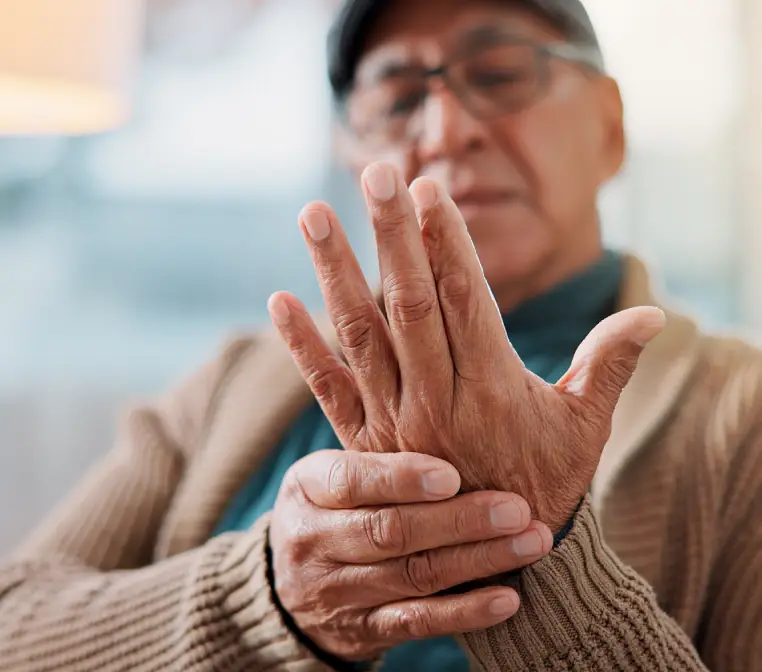
What is Parkinson’s Disease?
Parkinson’s Disease (PD) is a progressive neurological disorder that affects movement. It occurs when nerve cells in a specific area of the brain called the substantia nigra gradually degenerate and produce less dopamine, a chemical responsible for smooth and coordinated movement.
As dopamine levels decrease, individuals experience difficulties with movement, balance, coordination, posture, and daily activities.
Although Parkinson’s Disease is a long-term condition, early diagnosis and proper physiotherapy can significantly improve mobility, independence, and quality of life.
Recognise the Signs
Common Symptoms of Parkinson’s Disease
Symptoms often develop gradually and may vary from person to person
Shuffling gait
Memory and concentration problems
Freezing episodes during walking
Tremors (shaking of hands, arms, legs, or jaw)
Muscle stiffness and rigidity
Slowness of movement (Bradykinesia)
Difficulty initiating movement
Difficulty turning or changing directions
Reduced arm swing while walking
Poor balance and coordination
Fatigue
Sleep disturbances
Depression and anxiety
Stooped posture
Reduced facial expressions
Speech difficulties
Swallowing problems
Constipation
If you notice these symptoms, seeking professional assessment from a neurologist and a qualified physical therapist can help initiate timely treatment
Root Causes
Causes of Parkinson’s Disease
The exact cause of Parkinson’s Disease remains unknown. However, researchers believe that multiple factors contribute to its development
Additional Factors Being Studied
Abnormal Protein Accumulation
Researchers have identified abnormal clumps of a protein called alpha-synuclein in the brains of individuals with Parkinson’s Disease. These protein deposits, known as Lewy bodies, are believed to play a key role in disrupting normal brain cell function and contributing to disease progression.
Inflammation in the Brain
Chronic inflammation within the brain may contribute to the degeneration of nerve cells. Scientists are investigating how immune system responses and inflammatory processes may influence the development and progression of Parkinson’s Disease.
Head Injuries
Repeated or severe head trauma has been linked to an increased risk of developing Parkinson’s Disease later in life. Brain injuries may trigger biological changes that contribute to neurodegeneration in some individuals.
Age-Related Degeneration of Brain Cells
Environmental Toxins
Mitochondrial Dysfunction
Exposure to Pesticides and Chemicals
Genetic Predisposition
Oxidative Stress
Family History of Neurological Disorders
How is Parkinson’s Disease Diagnosed?
There is currently no single test that confirms Parkinson’s Disease. Diagnosis is usually based on:

Medical History
The diagnostic process typically begins with a thorough review of the patient’s medical history. The doctor will ask detailed questions about:
- When symptoms first appeared
- How symptoms have progressed over time
- Presence of tremors, stiffness, or movement difficulties
- Changes in balance, walking, or posture
- Sleep disturbances and mood changes
- Family history of Parkinson’s Disease or other neurological disorders
- Exposure to environmental toxins, pesticides, or chemicals
A comprehensive medical history helps identify patterns that are consistent with Parkinson’s Disease and rule out other possible causes

Neurological Examination
A neurologist performs a physical examination to assess the function of the nervous system. The evaluation focuses on the key motor symptoms associated with Parkinson’s Disease, including:
- Tremors (shaking), especially at rest
- Muscle stiffness (rigidity)
- Slowness of movement (bradykinesia)
- Balance and posture problems
- Walking pattern (gait) and coordination
These findings help determine whether the symptoms are consistent with Parkinson’s Disease and assist in ruling out other neurological conditions.

Brain Imaging
Although brain scans cannot directly diagnose Parkinson’s Disease, they can help exclude other conditions that may produce similar symptoms.
Magnetic Resonance Imaging (MRI)
MRI scans provide detailed images of the brain and may be used to rule out:
- Brain tumors
- Stroke-related damage
- Normal pressure hydrocephalus
- Multiple sclerosis
- Other structural abnormalities

Response to Medication
One of the supportive tools used in diagnosis is evaluating the patient's response to Parkinson’s medications, particularly those that increase dopamine levels.
If symptoms such as tremor, stiffness, and slowness of movement improve significantly after taking dopamine-related medications (such as levodopa), it may provide additional evidence supporting a diagnosis of Parkinson’s Disease
Why Physiotherapy
Why Physiotherapy is Essential for Parkinson’s Disease
Physiotherapy is one of the most important non-pharmacological treatments for Parkinson’s Disease. Research shows that structured exercise and physiotherapy can improve A skilled physical therapist helps patients maintain mobility and perform daily activities safely and effectively
Walking ability
Balance
Posture
Muscle strength
Flexibility
Functional independence
Parkinson’s Disease Physiotherapy Treatment in Delhi
Our comprehensive neuro-rehabilitation programs are designed to address the unique movement challenges associated with Parkinson’s Disease. The primary goals of treatment are to improve mobility, enhance balance and coordination, reduce disability, manage symptoms effectively, and maximize independence in daily life. Each rehabilitation plan is tailored to the patient’s stage of the condition, functional abilities, and personal goals
Gait Training
Many Parkinson’s patients develop a shuffling walking pattern, reduced arm swing, difficulty initiating movement, and episodes of freezing while walking.
Our physiotherapists help improve:
- Step length
- Walking speed
- Arm swing
- Turning ability
- Walking confidence
- Movement initiation
Special cueing techniques, including visual, auditory, and rhythmic cues, are used to overcome freezing episodes and promote smoother, safer walking patterns. Regular gait training can significantly improve mobility and reduce the risk of falls
Balance Training
Poor balance is a common symptom of Parkinson’s Disease and can greatly increase the risk of falls and injuries.
Treatment includes:
- Static balance exercises
- Dynamic balance exercises
- Weight-shifting activities
- Functional reach training
- Fall prevention strategies
- Postural stability exercises
These exercises help improve body awareness, coordination, and confidence during standing and walking activities, allowing patients to move more safely in their daily lives
Strength Training
Muscle weakness and reduced physical activity can worsen mobility limitations and functional decline.
Our physiotherapy programs include:
- Resistance exercises
- Functional strengthening
- Lower limb strengthening
- Core stability training
- Upper body strengthening
Benefits include improved posture, mobility, endurance, and the ability to perform everyday activities with greater ease and independence
Flexibility and Stretching Exercises
Rigidity and stiffness are common in Parkinson’s Disease and can restrict movement and cause discomfort.
Stretching programs focus on:
- Neck mobility
- Shoulder flexibility
- Trunk rotation
- Hip flexibility
- Calf stretching
- Whole-body mobility exercises
Regular stretching helps maintain joint mobility, improve posture, reduce muscle tightness, and enhance overall movement quality
Postural Correction
Stooped posture and forward bending are frequently seen in Parkinson’s patients, often affecting balance and breathing.
Our physiotherapy interventions target:
- Spinal extension
- Postural awareness
- Core activation
- Shoulder alignment
- Head and neck positioning
Improved posture enhances breathing efficiency, reduces strain on muscles and joints, and supports better functional performance during daily activities

Functional Training
Patients often struggle with daily activities due to slowed movements, stiffness, and balance difficulties.
Common challenges include:
- Standing from a chair
- Climbing stairs
- Bed mobility
- Dressing
- Household activities
- Walking in crowded environments
Functional rehabilitation focuses on restoring independence by practicing real-life tasks and improving movement efficiency in everyday situations

Breathing Exercises
Parkinson’s Disease can affect respiratory function, chest mobility, and overall endurance.
We include:
- Deep breathing exercises
- Chest expansion exercises
- Diaphragmatic breathing
- Respiratory endurance training
- Postural breathing techniques
These exercises support lung function, improve oxygen intake, enhance energy levels, and contribute to overall well-being

Dual Task Training
Many patients have difficulty performing two tasks simultaneously, such as walking while talking or carrying objects.
Dual-task exercises help improve:
- Cognitive-motor coordination
- Attention
- Balance
- Walking efficiency
- Multitasking ability
This type of training helps patients better manage real-world situations and improves safety during daily activities

Fall Prevention Rehabilitation
Falls are one of the leading causes of injury among Parkinson’s patients and can significantly impact confidence and independence.
Our physiotherapy program includes:
- Home safety education
- Balance enhancement
- Strength training
- Walking aids assessment
- Fall recovery strategies
- Safe movement techniques
By addressing risk factors and teaching preventive strategies, we help patients maintain mobility, reduce injury risk, and remain active with greater confidence
Recovery Journey
Tele Physiotherapy for Parkinson’s Disease
Unable to visit a clinic?
Our tele physiotherapy services allow patients to receive expert guidance from the comfort of their homes.
Benefitof Tele Physiotherapy
- Convenient and time-saving
- Ideal for elderly patients
- Regular monitoring
- Exercise progression
- Family education and support
- Accessible from anywhere
Online sessions are conducted by experienced neuro physiotherapists who provide personalized treatment plans and ongoing supervision
Home Physiotherapy for Parkinson’s Disease
Many individuals prefer receiving therapy in familiar surroundings.
Home-based physiotherapy can be particularly beneficial for
Elderly patients
Advanced Parkinson’s Disease
Mobility limitations
Fall-risk individuals
Maintenance Program for Parkinson’s Disease
Parkinson’s Disease requires long-term management.
Daily Maintenance Strategies
- Regular exercise
- Walking practice
- Balance training
- Stretching routine
- Strength exercises
- Proper posture correction
- Medication adherence
- Adequate sleep
- Healthy nutrition
Consistent physiotherapy helps slow functional decline and maintain independence
Can Parkinson’s Disease Be Prevented?
There is currently no guaranteed way to prevent Parkinson’s Disease.
However, certain lifestyle habits may support brain health:
- Regular physical activity
- Healthy diet rich in antioxidants
- Good cardiovascular health
- Adequate sleep
- Stress management
- Avoidance of excessive toxin exposure
Early intervention remains the key to better outcomes
Why Choose Us for Parkinson’s Disease Physiotherapy Treatment in Delhi?

Experienced Neuro Physiotherapists
Specialized expertise in neurological rehabilitation

Individualized Treatment Plans
Every patient receives a customized rehabilitation program

Home Visits Available
Convenient physiotherapy services across Delhi.

Tele Physiotherapy Sessions
Professional online consultations and guided exercise programs

Evidence-Based Care
Treatment protocols based on current rehabilitation research

Comprehensive Support
Continuous monitoring, education, and caregiver guidance
Book Parkinson’s Disease Physiotherapy Treatment in Delhi Today
Living with Parkinson’s Disease can be challenging, but the right rehabilitation program can make a remarkable difference. Our specialized physiotherapy services focus on improving movement, confidence, safety, and independence.
Whether you need in-clinic care, home visits, or tele physiotherapy, our team is committed to helping you achieve the best possible quality of life.
Contact us today to schedule your assessment and begin your personalized Parkinson’s Disease rehabilitation journey
Our Founder
About Dr Priya Gaur
Dr. Priya Gaur is a Musculoskeletal Physiotherapist with over 7 years of clinical experience, specialising in pain management, movement rehabilitation, and spine care.
She holds a Bachelor of Physiotherapy (B.P.T.) from Chhatrapati Shahu Ji Maharaj University and a Master’s in Musculoskeletal Physiotherapy from Maharishi Markandeshwar University.
With clinical training at Fortis Hospital and experience in a dedicated Spine Clinic in Delhi, Dr. Priya follows an evidence-based, patient-centred approach focused on personalised rehabilitation and long-term recovery.

We Treat
Patient Case Studies
Whether you're dealing with chronic pain, a sports injury, or recovering from surgery our expert physiotherapist in Delhi near you have you covered.

From Pain to Progress
An 18-year-old medical student’s journey towards improved posture, mobility, strength, and confidence through personalised rehabilitation.

From Bedridden to Back to the Fields
A 65-year-old farmer’s inspiring recovery from spinal fracture, pain, and limited mobility to renewed strength, confidence, and independence through personalised physiotherapy.
Online Sessions
Frequently Asked Questions (FAQs)
Is physiotherapy effective for Parkinson’s Disease?
Yes. Physiotherapy helps improve balance, mobility, strength, posture, gait, and overall functional independence.
How often should Parkinson’s patients attend physiotherapy?
Frequency depends on disease severity. Many patients benefit from 2–5 sessions per week initially, followed by a maintenance program.
Can physiotherapy stop Parkinson’s Disease progression?
Physiotherapy cannot cure Parkinson’s Disease, but it can significantly slow functional decline and improve quality of life.
Is tele physiotherapy suitable for Parkinson’s patients?
Yes. Tele physiotherapy is highly effective for exercise supervision, movement training, caregiver education, and ongoing rehabilitation.
Do Parkinson’s patients need lifelong physiotherapy?
Most patients benefit from long-term exercise and periodic physiotherapy to maintain mobility and independence.
When should physiotherapy begin after diagnosis?
Ideally, physiotherapy should begin as soon as Parkinson’s Disease is diagnosed. Early intervention often produces the best outcomes.
Ready to Live Pain Free?
Join 1,000+ Delhiites who chose My Rehabify, Delhi's best physiotherapist for their recovery journey. Your first consultation is completely free.
Email Us
Call Us:
Timing
Mon-Sat: 9am-8pm
Sun: Closed