Conditions
About
Types of Conditions We Treat
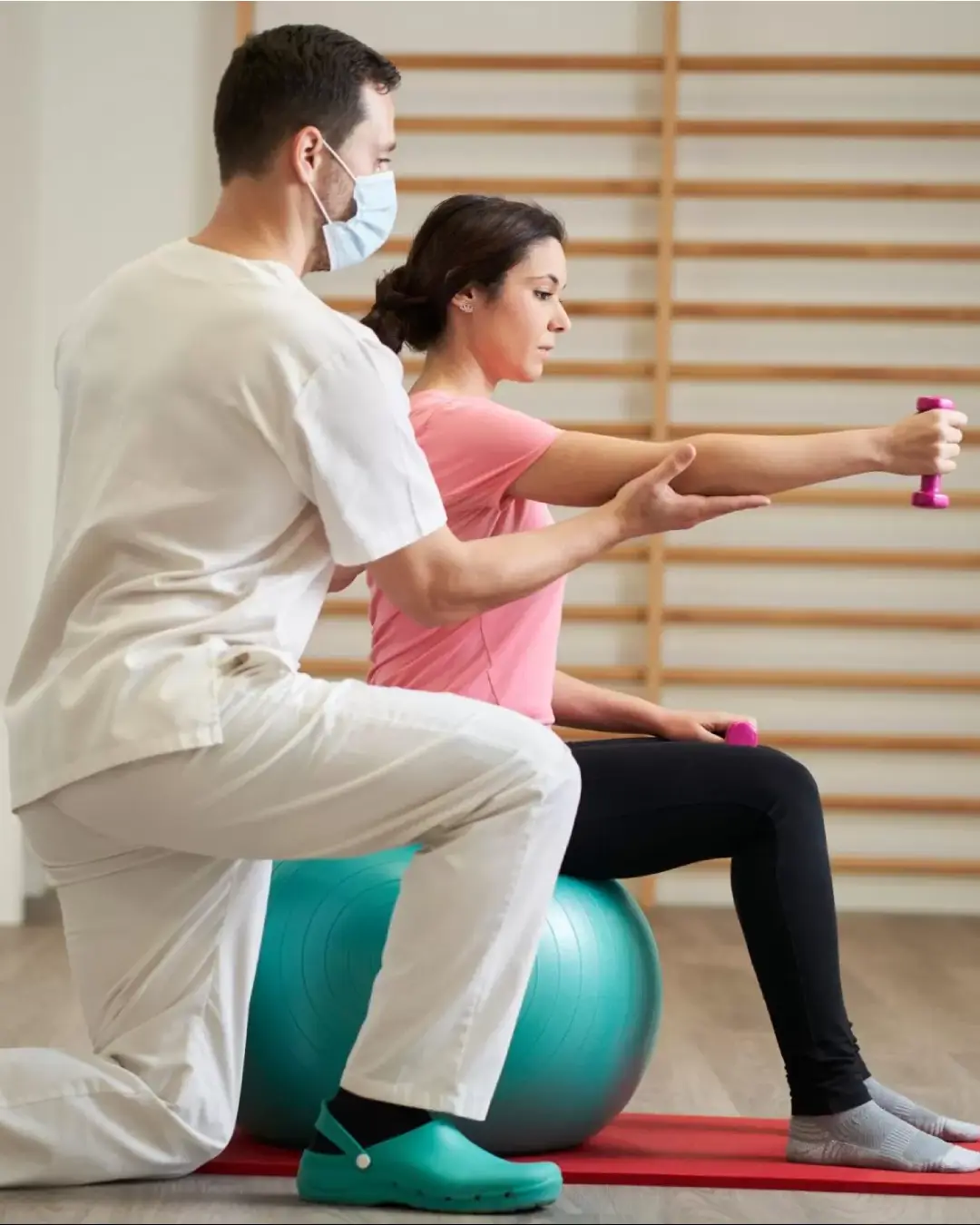
This page highlights the different musculoskeletal, neurological, and postural conditions treated through physiotherapy and rehabilitation. From common issues like back pain, neck pain, and knee pain to specialized rehabilitation for stroke, Parkinson’s disease, ACL injuries, and post surgical recovery, our treatment approach focuses on pain relief, restoring movement, improving strength, and helping patients return to daily activities safely.
Each condition is managed with personalized physiotherapy programs designed to improve mobility, posture, flexibility, balance, and overall quality of life.
Shoulder Pain
Shoulder pain can result from injury, overuse, or poor posture. It often limits daily movements like lifting or reaching. Physiotherapy focuses on restoring mobility, reducing inflammation, and strengthening muscles for long term relief.
Scapular Dyskinesis
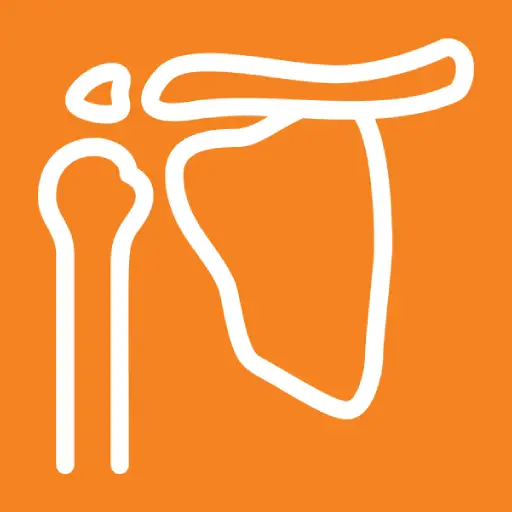
This condition involves abnormal movement of the shoulder blade. It can lead to pain, weakness, and reduced shoulder performance. Rehab focuses on correcting muscle imbalance and improving shoulder mechanics.
Frozen Shoulder
Frozen shoulder causes stiffness and severe restriction in movement. It develops gradually and can take months to recover without treatment. Physiotherapy helps restore range of motion and reduce pain effectively.
Neck Pain
Often caused by poor posture, long screen time, or stress. Neck pain may also lead to stiffness or headaches. Targeted exercises and manual therapy help relieve tension and improve alignment.
Back Pain
Back pain is one of the most common conditions affecting mobility. It can arise from muscle strain, disc issues, or posture problems. Treatment includes strengthening, posture correction, and pain management.
Cervicogenic Headache
This type of headache originates from neck dysfunction. Pain often radiates from the neck to the head. Physiotherapy targets the root cause through posture correction and neck mobility exercises.
Cervical Spondylosis
A degenerative condition affecting the cervical spine. It can cause stiffness, pain, and nerve compression. Rehab focuses on mobility, strengthening, and reducing nerve irritation.
Sciatica
Sciatica causes radiating pain from the lower back down the leg. It occurs due to nerve compression or disc issues. Physiotherapy helps relieve pressure and restore normal movement.
Shoulder Impingement
Occurs when shoulder tendons get compressed during movement. It leads to pain, especially when lifting the arm. Rehab improves shoulder mechanics and reduces inflammation.
Lumbar Spondylosis
Affects the lower back due to age related wear and tear. Symptoms include stiffness and chronic pain. Physiotherapy helps strengthen core muscles and improve flexibility.

Tennis Elbow
Caused by repetitive strain on the elbow. It leads to pain and weakness in gripping. Treatment focuses on tendon healing and strengthening exercises.
Knee Pain
Knee pain can result from injury, arthritis, or overuse. It affects walking, running, and daily activities. Physiotherapy helps improve joint stability and reduce discomfort.
Patellofemoral Pain Syndrome
Pain occurs around the kneecap due to improper tracking. Common in active individuals and athletes. Rehab focuses on muscle balance and knee alignment.
Rotator Cuff Injury
Involves damage to shoulder tendons responsible for movement. Causes pain and weakness in the shoulder. Physiotherapy helps restore strength and prevent further injury.
Vertigo
A condition causing dizziness and spinning sensation. It affects balance and daily functioning. Vestibular rehabilitation helps improve stability and reduce symptoms.
Chondromalacia Patella
Softening of cartilage under the kneecap causing pain. Often worsens with stairs or prolonged sitting. Rehab focuses on strengthening and correcting movement patterns.
Posture Correction
Poor posture can lead to chronic pain and muscle imbalance. It affects spine alignment and overall health. Physiotherapy helps retrain posture and improve body mechanics.
Slip Disc
Occurs when a spinal disc bulges or ruptures. It can press on nerves causing pain or numbness. Rehab reduces pressure and strengthens supporting muscles.
ACL Tear
A common sports injury affecting knee stability. It may require surgery and structured rehab. Physiotherapy is essential for recovery and regaining strength.
Bell’s Palsy
Causes sudden weakness or paralysis on one side of the face. It affects facial expressions and function. Physiotherapy aids nerve recovery and muscle control.
Carpal Tunnel Syndrome
Results from pressure on the median nerve in the wrist. Causes numbness, tingling, and weakness. Treatment focuses on relieving pressure and improving function.
Ankylosing Spondylitis
A chronic condition causing spinal stiffness and pain. It may lead to reduced flexibility over time. Physiotherapy helps maintain mobility and posture.
Osteoporosis
A condition where bones become weak and fragile. It increases the risk of fractures. Rehab includes strength training and fall prevention strategies.
Rheumatoid Arthritis
Causes inflammation and pain in multiple joints. It can lead to deformity if untreated. Physiotherapy helps manage pain and maintain joint function.
Osteoarthritis
Occurs due to wear and tear of joint cartilage. Common in knees, hips, and hands. Treatment focuses on mobility, strength, and pain relief.
Plantar Fasciitis
Causes sharp heel pain, especially in the morning. Results from strain on foot tissues. Physiotherapy includes stretching and foot strengthening.
Heel Pain
Often linked to plantar fasciitis or overuse. It can affect walking and standing. Rehab focuses on reducing stress and improving foot mechanics.
Ankle Pain
May result from sprains, instability, or injury. It affects balance and movement. Physiotherapy helps restore strength and prevent recurrence.
Wrist Pain
Common due to repetitive strain or injury. It impacts grip strength and daily tasks. Rehab focuses on mobility and strengthening.
Jaw Pain
Pain in the jaw joint affecting chewing and speaking. Often linked to stress or misalignment. Physiotherapy helps reduce tension and improve function.
Elbow Pain
Can result from overuse or injury. It affects lifting and gripping activities. Treatment includes strengthening and pain relief techniques.
Hip Pain
May arise from arthritis, injury, or muscle imbalance. It limits walking and movement. Rehab improves flexibility and joint strength.
Lower Back Pain
A very common issue caused by lifestyle or injury. It can affect posture and daily activities. Physiotherapy focuses on core strength and mobility.

Thoracic Pain
Pain in the mid back region often linked to posture. It can cause stiffness and discomfort. Treatment improves mobility and spinal alignment.
Post Knee Replacement Physiotherapy
Essential after knee surgery for recovery. Helps restore movement, strength, and function. Structured rehab ensures faster and safer recovery.

Post Fracture Physiotherapy
Focuses on regaining mobility after bone healing. Prevents stiffness and muscle weakness. Guided therapy ensures complete recovery.
Spondylolisthesis
Occurs when one vertebra slips over another. It can cause pain and nerve symptoms. Physiotherapy stabilizes the spine and reduces discomfort.
Lumbar Spinal Stenosis
Narrowing of the spinal canal in the lower back. Causes pain, numbness, or weakness in legs. Rehab focuses on mobility and pain relief.
Spinal Cord Injury
A serious injury affecting movement and sensation. Recovery depends on severity. Physiotherapy plays a key role in functional rehabilitation.
Parkinson’s Disease
A progressive disorder affecting movement and coordination. Causes tremors and stiffness. Rehab improves mobility and quality of life.
Guillain Barré Syndrome
A rare condition causing muscle weakness and paralysis. It often develops rapidly. Physiotherapy supports recovery and muscle strengthening.
Alzheimer’s Disease
Affects memory, thinking, and behavior. It gradually impacts daily functioning. Physiotherapy helps maintain mobility and independence.
Stroke
Occurs when blood flow to the brain is disrupted. It can cause weakness or paralysis. Rehabilitation is crucial for regaining function.
Cerebral Palsy
Affects movement and muscle coordination from early life. Symptoms vary in severity. Physiotherapy improves mobility and independence.
Foot Drop
Difficulty lifting the front part of the foot. It affects walking and balance. Rehab focuses on strengthening and gait training.
Wrist Drop
Causes inability to extend the wrist and fingers. Often due to nerve injury. Physiotherapy helps restore function and strength.
Struggling With a Condition That’s Affecting Your Life?
Our experienced specialists provide compassionate, evidence based care tailored to your unique recovery journey.