Get Expert Slip Disc Treatment in Delhi
Slip Disc Physiotherapy Treatment in Delhi | Expert Care for Lasting Relief
Are you struggling with persistent back pain, radiating leg pain, or restricted mobility? If yes, you may be dealing with a slip disc, one of the most common spinal conditions affecting people of all ages. At our clinic, we offer Slip Disc Treatment in Delhi using evidence based physiotherapy protocols designed to relieve pain, restore function, and prevent recurrence.
Whether you’re searching for the best physiotherapist in Delhi, a physiotherapist near you, or need tele physiotherapy, we provide personalized treatment plans tailored to your condition and lifestyle.
In Clinic Sessions
Tel Physiotherapy
All Age Groups
What is a Slip Disc?
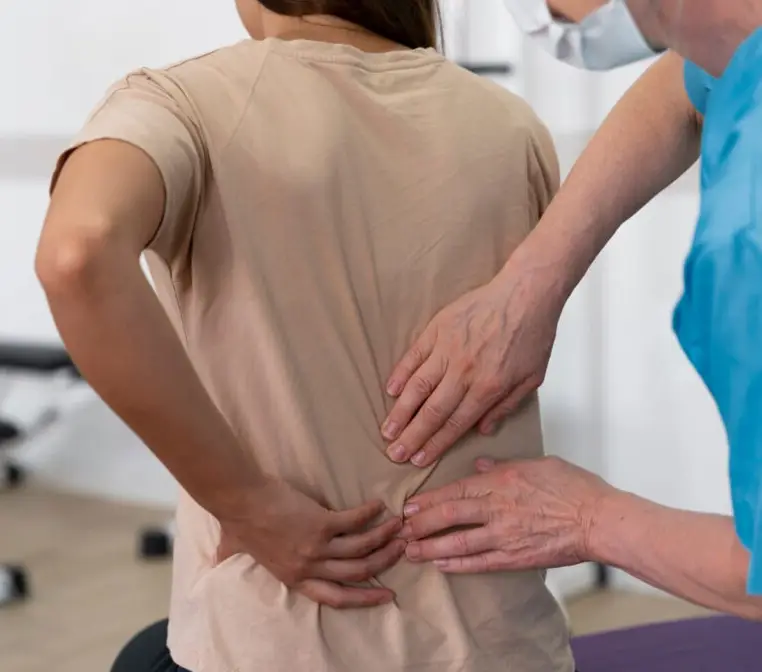
A slip disc, medically referred to as herniated disc or prolapsed intervertebral disc (PIVD), occurs when the soft inner material of a spinal disc (nucleus pulposus) protrudes through its outer fibrous layer (annulus fibrosus). This protrusion can compress nearby nerves, leading to pain, numbness, or weakness.
The condition most commonly affects the lumbar spine (lower back) and cervical spine (neck), impacting daily activities such as walking, sitting, and bending.
Common Symptoms of Slip Disc
The symptoms vary depending on the severity and location of the disc herniation: If you’re experiencing these symptoms, early Slip Disc Treatment in Delhi can prevent progression and complications.
Pain Symptoms
- Localized lower back or neck pain
- Radiating pain (sciatica) down the leg or arm
- Sharp, shooting pain during movement
Neurological Symptoms
- Numbness or tingling sensation
- Muscle weakness in limbs
- Burning sensation along nerve pathways
Functional Limitations
- Difficulty in bending or lifting
- Reduced range of motion
- Pain while sitting or standing for long durations
Root Causes
Causes of Slip Disc
Understanding the root cause is critical for effective rehabilitation. Common causes include: Modern lifestyles, particularly desk jobs and lack of physical activity, significantly contribute to the rising incidence of slip disc cases.
Poor Posture (Especially Prolonged Sitting)
Incorrect sitting posture, slouching, and prolonged desk work place continuous stress on the spine and intervertebral discs. Forward bending and poor spinal alignment increase pressure on the lower back and cervical spine, making disc injuries more likely.
Degenerative Changes Due to Aging
As we age, spinal discs gradually lose water content, flexibility, and shock absorbing capacity. These degenerative changes weaken the discs and increase the risk of bulging or slipping.
Trauma or Injury
Falls, accidents, sports injuries, or sudden impact to the spine can damage the intervertebral discs and surrounding structures, leading to acute slip disc symptoms.
Sudden Heavy Lifting or Improper Lifting Techniques
Lifting heavy objects with poor body mechanics, especially while bending from the waist instead of the knees, can create excessive spinal pressure and lead to disc prolapse or herniation.
Sedentary Lifestyle and Weak Core Muscles
Lack of regular physical activity weakens the core, abdominal, and back muscles that support the spine. Weak spinal support increases stress on the discs and contributes to poor posture and spinal instability.
Obesity (Increased Spinal Load)
Excess body weight increases pressure on the spinal discs, particularly in the lower back region. Over time, this added stress accelerates disc wear and increases the likelihood of disc herniation.
Diagnosis of Slip Disc
A precise diagnosis is essential for designing an effective physiotherapy plan. Diagnosis typically includes: Our expert physical therapists in Delhi use a combination of clinical reasoning and diagnostic reports to tailor treatment plans.

Clinical Assessment
- Detailed patient history
- Postural analysis
- Neurological examination (reflexes, muscle strength)

Imaging Investigations
- MRI (most accurate for disc pathology)
- X rays (to rule out structural abnormalities)
- CT scans (in specific cases)
Slip Disc Physiotherapy Treatment in Delhi
Physiotherapy is the first line, non surgical treatment for slip disc. Our goal is not just pain relief but complete functional recovery.
Pain Management Phase
- Electrotherapy (IFT, TENS, Ultrasound)
- Heat/cold therapy
- Manual therapy for muscle relaxation
Mobility Restoration
- Gentle stretching exercises
- Neural mobilization techniques
- Spinal mobilization
Strengthening Phase
- Core stabilization exercises
- Back and abdominal strengthening
- Pelvic alignment correction
Posture Correction
- Ergonomic training
- Sitting and lifting techniques
- Workplace modification guidance
Advanced Rehabilitation
- Functional training
- Pilates based rehabilitation
- Return to activity programs
Maintenance After Recovery
Recovery doesn’t end when pain subsides. Maintenance is essential to prevent relapse.
Daily Habits to Maintain Spine Health
- Maintain correct posture while sitting and standing
- Take breaks every 30:40 minutes during work
- Use ergonomic chairs and proper mattress
Exercise Routine
- Continue core strengthening exercises
- Practice stretching daily
- Incorporate low impact activities like walking or yoga
Lifestyle Modifications
- Maintain a healthy weight
- Stay physically active
- Avoid sudden jerky movements
Prevention of Slip Disc
Strengthen core muscles regularly
Avoid prolonged sitting or poor posture
Learn proper lifting techniques
Stay hydrated (supports disc health)
Engage in regular physical activity
Why Choose My Rehabify for Slip Disc Treatment in Delhi?
At My Rehabify, We combine advanced spine rehabilitation techniques, evidence based physiotherapy, and personalized treatment plans to provide effective and long term recovery for slip disc, sciatica, and chronic back pain conditions.

Certified & Experienced

Evidence Based Protocols

Root Cause Focus

OneonOne Sessions
Clinic & HomeBased Care

Affordable Packages
Book Your Consultation Today
Don’t let back pain control your life. Get expert guided Slip Disc Treatment in Delhi from a trusted physical therapist. Whether you’re looking for a physiotherapist near you or prefer tele physiotherapy, we’re here to help you recover faster and stronger.
Our Founder
About Dr Priya Gaur
Dr. Priya Gaur is a Musculoskeletal Physiotherapist with over 7 years of clinical experience, specialising in pain management, movement rehabilitation, and spine care.
She holds a Bachelor of Physiotherapy (B.P.T.) from Chhatrapati Shahu Ji Maharaj University and a Master’s in Musculoskeletal Physiotherapy from Maharishi Markandeshwar University.
With clinical training at Fortis Hospital and experience in a dedicated Spine Clinic in Delhi, Dr. Priya follows an evidence-based, patient-centred approach focused on personalised rehabilitation and long-term recovery.

We Treat
Patient Case Studies
Whether you're dealing with chronic pain, a sports injury, or recovering from surgery our expert physiotherapist in Delhi near you have you covered.

From Pain to Progress
An 18-year-old medical student’s journey towards improved posture, mobility, strength, and confidence through personalised rehabilitation.

From Bedridden to Back to the Fields
A 65-year-old farmer’s inspiring recovery from spinal fracture, pain, and limited mobility to renewed strength, confidence, and independence through personalised physiotherapy.
Online Sessions
Frequently Asked Questions (FAQs)
Can a slip disc heal without surgery?
Yes, in most cases, slip discs can be effectively managed with physiotherapy and lifestyle changes.
How long does recovery take?
Recovery varies from 4-12 weeks depending on severity, adherence to treatment, and individual health.
Is bed rest recommended?
Prolonged bed rest is not advised. Controlled movement and guided exercises are more beneficial.
Can I exercise with a slip disc?
Yes, but only under the supervision of a qualified physiotherapist to avoid further injury.
Is slip disc common in young people?
Yes, due to sedentary lifestyles, poor posture, and lack of physical activity.
What is the best sleeping position?
Sleeping on your back with a pillow under your knees or on your side with a pillow between your knees is recommended.
What causes a slip disc?
A slip disc can occur due to age-related disc degeneration, improper lifting techniques, sudden injuries, repetitive strain, obesity, prolonged sitting, or weak core muscles that place excess pressure on the spine.
What physiotherapy treatments are used for a slip disc?
Treatment may include manual therapy, spinal stabilization exercises, core strengthening, nerve mobilization, posture correction, traction (when appropriate), pain-relief modalities, and ergonomic training to promote recovery.
Can physiotherapy help prevent a slip disc from recurring?
Yes. Physiotherapy strengthens the muscles supporting the spine, improves flexibility, corrects posture, and teaches safe lifting and movement techniques to reduce the risk of future disc injuries.
Why choose My Rehabify for Slip Disc Physiotherapy Treatment in Delhi?
At My Rehabify, our experienced physiotherapists provide personalized, evidence-based rehabilitation programs to reduce disc-related pain, improve spinal mobility, strengthen core muscles, and help you recover safely without unnecessary surgery.
Ready to Live Pain Free?
Join 1,000+ Delhiites who chose My Rehabify, Delhi's best physiotherapist for their recovery journey. Your first consultation is completely free.
Email Us
Call Us:
Timing
Mon-Sat: 9am-8pm
Sun: Closed