
Get Expert Sciatica Treatment in Delhi
Sciatica Physiotherapy Treatment in Delhi | Expert Pain Relief & Recovery
Are you struggling with sharp, radiating pain from your lower back down to your leg? You may be dealing with sciatica, a condition that can significantly impact your daily life. If you're searching for Sciatica physiotherapy Treatment in Delhi, you're in the right place.
We provide evidence based, personalized physiotherapy programs designed to relieve pain, restore mobility, and prevent recurrence. Whether you need in clinic care or tele physiotherapy, our expert physical therapists are here to help you recover effectively and safely.
In Clinic Sessions
Tel Physiotherapy
All Age Groups
What is Sciatica?
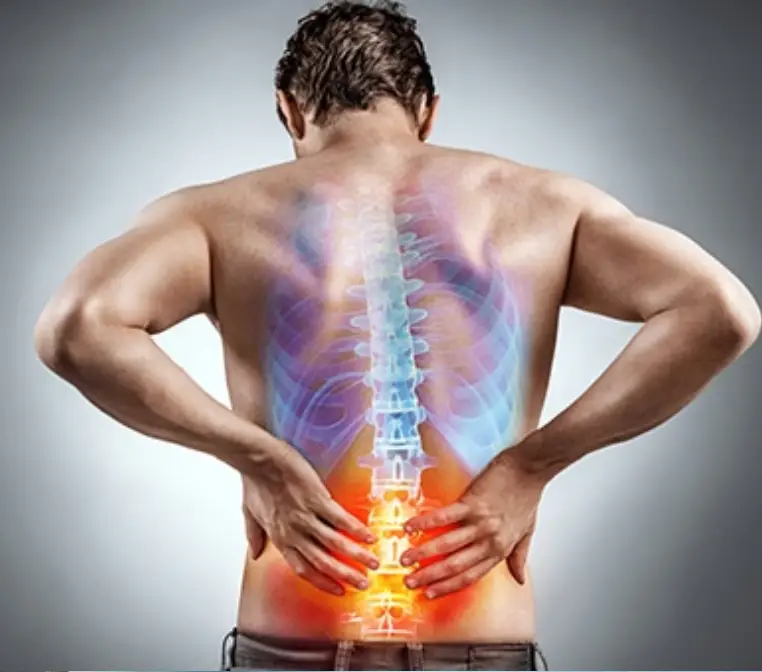
Sciatica is not a diagnosis itself but a symptom of an underlying issue involving irritation or compression of the sciatic nerve, the longest nerve in the human body. This nerve runs from the lower back through the hips and buttocks and down each leg.
When compressed or inflamed, it causes pain that radiates along its pathway, often affecting only one side of the body.
Common Symptoms of Sciatica
Sciatica symptoms can vary from mild discomfort to severe pain. The most common signs include: If you’re experiencing these symptoms, seeking sciatica physiotherapy treatment in Delhi early can prevent complications.
Sharp, shooting pain radiating from lower back to leg
Numbness or weakness in the affected leg
Difficulty standing up or walking
Burning or tingling sensation in the leg
Pain that worsens with prolonged sitting
Reduced range of motion in the lower back
Root Causes
Causes of Sciatica
Sciatica typically results from compression or irritation of the sciatic nerve. Common causes include:
Herniated Disc (Slip Disc)
One of the most frequent causes, where a disc bulges and presses on the nerve.
Piriformis Syndrome
Tightness or spasm in the piriformis muscle irritates the sciatic nerve.
Spondylolisthesis
A vertebra slipping forward over another.
Lumbar Spinal Stenosis
Narrowing of the spinal canal leading to nerve compression.
Degenerative Disc Disease
Age related wear and tear of spinal discs.
Poor Posture & Sedentary Lifestyle
Prolonged sitting and incorrect posture can trigger or worsen sciatica.
Diagnosis of Sciatica
A proper diagnosis is essential for identifying the exact cause of sciatic nerve irritation and creating an effective treatment plan. Since sciatica symptoms can sometimes resemble other lower back or nerve related conditions, a detailed clinical assessment by a qualified physiotherapist near you or spine specialist is important for accurate diagnosis and recovery planning.

Detailed Medical History
The assessment begins with understanding your symptoms, pain pattern, lifestyle, occupation, previous injuries, and daily activities. Your physiotherapist will ask questions about when the pain started, what aggravates it, and whether symptoms radiate into the leg or foot.

Physical Examination
A comprehensive physical examination helps evaluate the severity of the condition and identify movement limitations. This may include:
- Range of motion testing
- Muscle strength assessment
- Reflex testing
- Flexibility evaluation
- Walking and movement analysis

Postural Assessment
Poor posture and spinal alignment issues often contribute to sciatica. Your physiotherapist will assess sitting posture, standing alignment, pelvic positioning, and movement patterns to identify biomechanical stress on the lower back and sciatic nerve.

Special Orthopedic Tests
Specific clinical tests are performed to confirm sciatic nerve irritation and identify the underlying cause. Common orthopedic tests may include:
- Straight Leg Raise (SLR) Test
- Slump Test
- Neural tension tests
- Lumbar mobility assessment

Neurological Examination
If nerve compression is suspected, neurological testing may be performed to check:
- Sensation changes
- Muscle weakness
- Reflex abnormalities
- Balance and coordination

Imaging Tests (If Required)
In some cases, imaging investigations such as MRI, X ray, or CT scan may be recommended to confirm structural problems like:
- Herniated disc
- Spinal stenosis
- Degenerative disc disease
- Spondylolisthesis
Sciatica Physiotherapy Treatment in Delhi
Our comprehensive physiotherapy approach combines advanced techniques with personalized care.

Pain Relief Phase
- Electrotherapy (IFT, TENS, Ultrasound)
- Hot/cold therapy
- Soft tissue release

Mobility Restoration
- Gentle stretching exercises
- Neural mobilization (nerve gliding exercises)
- Joint mobilization techniques

Strengthening Phase
- Core strengthening exercises
- Lower back and hip muscle strengthening
- Functional training

Posture Correction
- Ergonomic advice for work and daily activities
- Sitting and standing posture training
Advanced Techniques
- Dry needling (if required)
- Myofascial release
- Pilates based rehabilitation
Maintenance & Long Term Care
Once pain reduces, maintenance is crucial to prevent recurrence. Your physiotherapist will provide a customized home program tailored to your lifestyle.
Regular stretching routine
Core strengthening exercises
Maintaining proper posture
Avoiding prolonged sitting
Staying physically active
Prevention of Sciatica
Maintain Good Posture Avoid slouching while sitting or standing
Exercise Regularly Focus on core and back strengthening.
Use Proper Lifting Techniques Always bend your knees and keep your back straight.
Avoid Prolonged Sitting Take breaks every 30/45 minutes
Maintain Healthy Weight Excess weight puts pressure on the spine
Tele Physiotherapy for Sciatica
Can’t visit a clinic? No problem.
Our tele physiotherapy services bring expert care to your home. Through virtual sessions, our physical therapist will: This is ideal for working professionals, homemakers, or patients with mobility limitations.
Assess your condition
During online sessions, our physiotherapist will evaluate your symptoms, posture, movement patterns, pain levels, and functional limitations to understand the root cause of your sciatica and design a customized treatment plan.
Guide You Through Exercises in Real Time
You will receive live guidance for stretching, strengthening, mobility, and posture correction exercises to ensure proper technique, safety, and effectiveness during rehabilitation.
Monitor Your Progress
Regular follow up sessions help track your recovery, pain improvement, flexibility, and mobility changes. This allows your therapist to ensure that your rehabilitation is progressing in the right direction.
Modify Your Plan as Needed
As your condition improves, your physiotherapy program will be adjusted based on your recovery stage, activity level, and functional goals to maximize long term results.
Personalized Home Exercise Programs
Patients receive customized home exercise routines designed specifically for their condition, helping maintain consistency between therapy sessions and improving recovery outcomes.
Ergonomic & Lifestyle Guidance
Our therapists also provide advice on:
- Sitting posture
- Workstation setup
- Safe lifting techniques
- Sleeping positions
- Daily activity modifications
Convenient and Time Saving
Tele physiotherapy eliminates travel time and waiting periods, making it ideal for busy professionals, elderly individuals, homemakers, and patients with severe pain or mobility limitations.
Why Choose Physiotherapy for Sciatica?
Physiotherapy is the first line, non surgical treatment for sciatica. It addresses not just the symptoms but the root cause of the problem.
Physiotherapy techniques such as manual therapy, electrotherapy, stretching, and soft tissue release help reduce inflammation around the sciatic nerve and provide relief from lower back, buttock, and leg pain.
Sciatica often causes stiffness and restricted movement in the lower back, hips, and legs. Targeted mobility exercises and stretching programs help improve flexibility, restore movement, and reduce muscle tightness.
Weak core, back, and hip muscles can increase stress on the spine and sciatic nerve. Physiotherapy includes strengthening exercises that improve spinal support, stability, and overall body mechanics.
Poor posture, prolonged sitting, and improper movement patterns are common contributors to sciatica. Physiotherapists provide posture correction training and ergonomic guidance to reduce strain on the lower back and prevent nerve compression.
One of the biggest advantages of physiotherapy is long term prevention. By improving flexibility, posture, muscle balance, and movement patterns, physiotherapy reduces the chances of recurring sciatic pain episodes.
As pain decreases and strength improves, patients are able to sit, walk, work, drive, and perform daily activities more comfortably and confidently.
Physiotherapy provides a natural and non invasive approach to pain management, helping many patients reduce their reliance on medications for symptom control.
Every sciatica case is different. A qualified physical therapist designs a customized rehabilitation program based on your condition severity, symptoms, lifestyle, and recovery goals to ensure safe and effective progress.
Why Choose My Rehabify for Knee Pain Treatment in Delhi?
At My Rehabify, We combine clinical expertise, modern techniques, and a genuine commitment to long term outcomes delivering the best knee pain physiotherapy in Delhi.

Experienced and Certified Physiotherapists

Evidence Based Protocols

Combination of Manual Therapy and Exercise Rehab
Our rehabilitation approach combines:
- Manual therapy techniques
- Stretching exercises
- Core strengthening
- Nerve mobilization
- Posture correction
- Functional rehabilitation

Personalized Treatment Plans

Availability of Physiotherapist Near You

Convenient Tele Physiotherapy Sessions
Book Your Sciatica Physiotherapy Session Today
Don’t let sciatica limit your life. Early intervention can make a significant difference in your recovery. Whether you're looking for the best physiotherapist in Delhi, a reliable physiotherapist near you, or expert tele physiotherapy, we’re here to support your journey to pain free living. Take the first step toward recovery book your consultation today.
Our Founder
About Dr Priya Gaur
Dr. Priya Gaur is a Musculoskeletal Physiotherapist with over 7 years of clinical experience, specialising in pain management, movement rehabilitation, and spine care.
She holds a Bachelor of Physiotherapy (B.P.T.) from Chhatrapati Shahu Ji Maharaj University and a Master’s in Musculoskeletal Physiotherapy from Maharishi Markandeshwar University.
With clinical training at Fortis Hospital and experience in a dedicated Spine Clinic in Delhi, Dr. Priya follows an evidence-based, patient-centred approach focused on personalised rehabilitation and long-term recovery.

We Treat
Patient Case Studies
Whether you're dealing with chronic pain, a sports injury, or recovering from surgery our expert physiotherapist in Delhi near you have you covered.

From Pain to Progress
An 18-year-old medical student’s journey towards improved posture, mobility, strength, and confidence through personalised rehabilitation.

From Bedridden to Back to the Fields
A 65-year-old farmer’s inspiring recovery from spinal fracture, pain, and limited mobility to renewed strength, confidence, and independence through personalised physiotherapy.
Online Sessions
FAQs Sciatica Physiotherapy Treatment in Delhi
How long does it take to recover from sciatica?
Recovery depends on severity. Mild cases improve within 2 : 4 weeks, while chronic cases may take 8 : 12 weeks with consistent physiotherapy.
Is physiotherapy effective for sciatica?
Yes, physiotherapy is highly effective and often eliminates the need for surgery.
Can sciatica go away on its own?
In some cases, yes but without treatment, it may recur or worsen.
Are exercises safe during sciatica pain?
Yes, but only when guided by a qualified physical therapist to avoid further injury.
Do I need bed rest?
No. Prolonged bed rest can worsen the condition. Controlled movement is essential.
Is surgery necessary for sciatica?
Surgery is rarely needed and only recommended in severe cases where conservative treatment fails.
What are the common causes of sciatica?
Sciatica is commonly caused by a herniated disc, spinal stenosis, lumbar spondylosis, piriformis syndrome, or degenerative changes that compress or irritate the sciatic nerve.
What physiotherapy treatments are used for sciatica?
Treatment may include manual therapy, nerve mobilization exercises, spinal stabilization, stretching, core strengthening, posture correction, traction (when appropriate), and ergonomic guidance to reduce nerve irritation and improve mobility.
Can physiotherapy help prevent sciatica from recurring?
Yes. Physiotherapy strengthens the core and back muscles, improves posture, increases spinal flexibility, and teaches proper body mechanics to reduce pressure on the sciatic nerve and lower the risk of future episodes.
Why choose My Rehabify for Sciatica Physiotherapy Treatment in Delhi?
At My Rehabify, our experienced physiotherapists provide personalized, evidence-based rehabilitation programs to relieve sciatic nerve pain, improve spinal mobility, restore strength, and help you return to daily activities safely without unnecessary surgery.
Ready to Live Pain Free?
Join 1,000+ Delhiites who chose My Rehabify, Delhi's best physiotherapist for their recovery journey. Your first consultation is completely free.
Email Us
Call Us:
Timing
Mon-Sat: 9am-8pm
Sun: Closed