
Can Stress Cause Body Pain and Tightness?
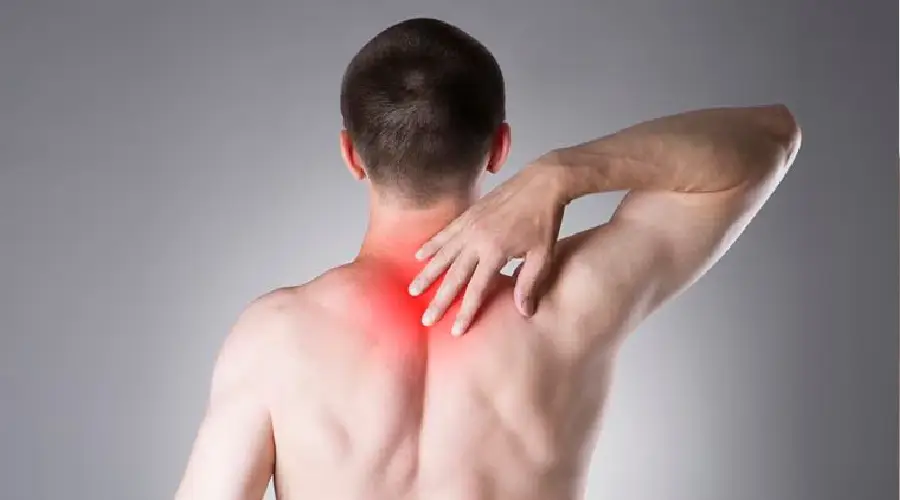
Table of Contents
| • How Stress Affects the Body |
| • Why Does Stress Cause Muscle Tightness? |
| • Common Areas Affected by Stress Related Tightness |
| • Common Symptoms of Stress Related Body Pain |
| • Can Stress Really Cause Back and Neck Pain? |
| • How Poor Posture and Stress Work Together |
| • Stress and Headaches |
| • Can Stress Cause Whole Body Pain? |
| • Role of Sleep in Muscle Tightness |
| • How Physiotherapy Helps Stress Related Pain |
| • Physiotherapy Treatment May Include |
| • Role of Exercise Therapy in Stress Management |
| • Simple Ways to Reduce Stress Related Tightness |
| • Common Mistakes People Make |
| • When Should You Seek Professional Help? |
| • Why Choose Rehabify? |
| • Frequently Asked Questions |
| • Conclusion |
Stress does not affect only the mind — it can also affect the body physically in many ways. Many people experiencing stress notice symptoms such as body pain, neck stiffness, shoulder tightness, headaches, back pain, muscle fatigue, and a constant feeling of heaviness in the body.
Sometimes, even after medical tests appear normal, the body may still feel tense, tight, and uncomfortable. This happens because stress and muscle tension are closely connected.
When the body remains under physical or emotional stress for prolonged periods, muscles often stay tightened for longer durations. Over time, this can lead to pain, stiffness, fatigue, reduced mobility, and movement discomfort.
The good news is that understanding the connection between stress and the body can help manage these symptoms more effectively. Physiotherapy, movement therapy, and regular exercise can play an important role in reducing muscle tightness and improving overall physical well-being.
In this article, we will understand how stress causes body pain and tightness, common symptoms, and how physiotherapy and exercise therapy may help.
How Stress Affects the Body
When a person experiences stress, the body enters a protective “fight or flight” response.
During this response:
• muscles tighten 💪
• heart rate increases ❤️
• breathing patterns change 🌬️
• stress hormones rise 📈
This reaction is helpful temporarily during stressful situations and helps the body respond quickly.
However, when stress becomes chronic, the muscles may remain tense for prolonged periods, creating physical discomfort, tightness, fatigue, and pain throughout the body.
Why Does Stress Cause Muscle Tightness?
Muscle tension is one of the body’s natural responses to stress. Under stress, muscles subconsciously tighten as a protective mechanism.
If stress continues regularly:
• muscles fail to relax properly 🔄
• circulation may reduce ❤️
• stiffness increases 🧍
• fatigue develops 😴
This often results in persistent tightness, discomfort, and body aches.
Common Areas Affected by Stress Related Tightness
Stress related tension commonly affects: Some people may even experience generalized body heaviness or widespread muscular discomfort.
neck
upper back
jaw muscles
shoulders
lower back
hips
Common Symptoms of Stress Related Body Pain
Symptoms may include: Some individuals may also feel physically exhausted despite minimal physical activity.
neck stiffness
shoulder tightness
back pain
headaches
jaw clenching
body fatigue
muscle soreness
heaviness in the body
reduced flexibility
Can Stress Really Cause Back and Neck Pain?
Yes. Stress commonly contributes to neck and back discomfort.
When stressed, people often unknowingly:
• tighten shoulder muscles 💪
• clench muscles ⚠️
• sit with poor posture 🪑
• reduce movement 🚶
• breathe shallowly 🌬️
These habits gradually increase muscular strain, stiffness, and physical discomfort over time.
Desk workers and individuals under prolonged mental pressure are especially prone to stress-related neck and back pain.
How Poor Posture and Stress Work Together
Stress and posture often influence each other.
People under stress commonly develop:
• rounded shoulders 🔄
• forward head posture 🧍♂️
• muscle guarding ⚠️
• stiff body posture 🪵
Long sitting hours combined with stress may worsen muscular tightness even further.
Poor posture increases stress on:
• neck muscles 🧍
• shoulder muscles 💪
• spinal joints 🦴
This creates a continuous cycle of discomfort, stiffness, and tension.
Stress and Headaches
Muscle tension around the:
• neck 🧍
• shoulders 🤷
• scalp 🪮
• jaw 😬
may contribute to tension-type headaches.
Many individuals experiencing stress-related headaches also notice tightness and stiffness in the upper body.
Can Stress Cause Whole Body Pain?
In some cases, yes.
Chronic stress may increase body sensitivity to pain and muscular fatigue.
People under prolonged stress may feel:
• generalized soreness 🤕
• heaviness 🪨
• low energy 😴
• body stiffness 🧍
Physical inactivity 🚶♂️ and poor sleep may worsen these symptoms even further.
Role of Sleep in Muscle Tightness
Stress often affects sleep quality. Poor sleep reduces the body’s ability to recover and relax muscles effectively.
Sleep deprivation may increase: portant for reducing physical tension.
muscle fatigue
body aches
stiffness
pain sensitivity
How Physiotherapy Helps Stress Related Pain
Physiotherapy helps address the physical effects of stress on the body.
Treatment focuses on: A physiotherapist may identify muscular tightness, posture issues, and movement restrictions contributing to discomfort.
reducing muscle tension
improving posture
restoring mobility
improving flexibility
Physiotherapy Treatment May Include
The goal is to help the body move and relax more efficiently.
posture correction
stretching exercises
mobility training
exercise therapy
breathing exercises
relaxation techniques
strengthening exercises
ergonomic advice
Role of Exercise Therapy in Stress Management
Exercise therapy can be extremely beneficial for stress related tension.
Regular movement helps: Exercise may also support mental well being and relaxation.
improve circulation
reduce muscular tightness
improve flexibility
improve energy levels
reduce physical stress buildup
support posture
Simple Ways to Reduce Stress Related Tightness
Stay Physically Active
Regular movement prevents muscles from becoming excessively stiff.
Practice Deep Breathing
Controlled breathing helps relax muscle tension.
Improve Posture
Good posture reduces unnecessary muscular strain.
Take Movement Breaks
Avoid prolonged sitting for several hours continuously.
Stretch Regularly
Gentle stretching improves flexibility and reduces stiffness.
Prioritize Sleep
Adequate rest helps the body recover physically and mentally.
Common Mistakes People Make
Ignoring Physical Symptoms
Many people dismiss stress related body pain until symptoms worsen.
Staying Sedentary
Lack of movement increases stiffness and muscular fatigue.
Poor Workstation Ergonomics
Incorrect sitting posture may worsen tension in the neck and back.
Depending Only on Painkillers
Temporary symptom relief may not address underlying muscular tension.
Neglecting Recovery and Rest
Continuous stress without relaxation affects long term physical health.
When Should You Seek Professional Help?
Consult a healthcare professional or physiotherapist if:
• body pain persists regularly 🤕
• stiffness affects daily activities 🧍
• headaches become frequent 🤯
• movement feels restricted 🚶
• sleep quality worsens 🌙
• pain increases despite rest 😣
Professional assessment helps identify contributing physical factors and appropriate rehabilitation strategies.
Why Choose My Rehabify?
At My Rehabify, rehabilitation programs focus on improving both movement quality and physical well being.
Our approach includes:
• posture assessment 🧍
• exercise therapy 🏋️
• mobility training 🚶♂️
• stretching programs 🔄
• ergonomic guidance 🪑
• personalized rehabilitation plans 🎯
The goal is to help individuals reduce muscular tension and improve overall physical function naturally.
Frequently Asked Questions
Can stress really cause body pain?
Yes. Chronic stress can increase muscle tension and contribute to body pain and stiffness.
Why do my shoulders feel tight during stress?
Stress often causes subconscious tightening of shoulder and neck muscles.
Can stress cause back pain without injury?
Yes. Poor posture, muscle tension, and reduced movement during stress may contribute to back pain.
Does exercise help stress related tightness?
Yes. Regular movement and exercise therapy can help reduce muscular tension and improve flexibility.
Can physiotherapy help stress related pain?
Yes. Physiotherapy may help improve posture, mobility, flexibility, and muscle relaxation.
Conclusion
Stress can affect the body physically as well as mentally. Prolonged stress often contributes to muscle tightness, body pain, stiffness, fatigue, and posture related discomfort. The connection between stress, movement, posture, and muscular tension is very strong. Physiotherapy and exercise therapy can help reduce physical stress on the body by improving posture, mobility, flexibility, and muscle relaxation naturally. If you are experiencing persistent body tightness or stress related discomfort, My Rehabify can help you with personalized rehabilitation and movement based therapy programs designed according to your needs.

About the Author - Dr. Priya Gaur
Physiotherapist at My Rehabify
Dr. Priya Gaur (PT), MPT – Orthopaedics is the Founder and Chief Physiotherapist at My Rehabify Physiotherapy, Delhi. With 7+ years of clinical experience, she specializes in orthopedic, sports injury, neurological, and post-operative rehabilitation. This article is based on evidence-based physiotherapy practices and her extensive clinical expertise to provide accurate, reliable, and patient-focused health information.