
Can Physiotherapy Help Reduce Scar Tightness After Surgery for Burns?
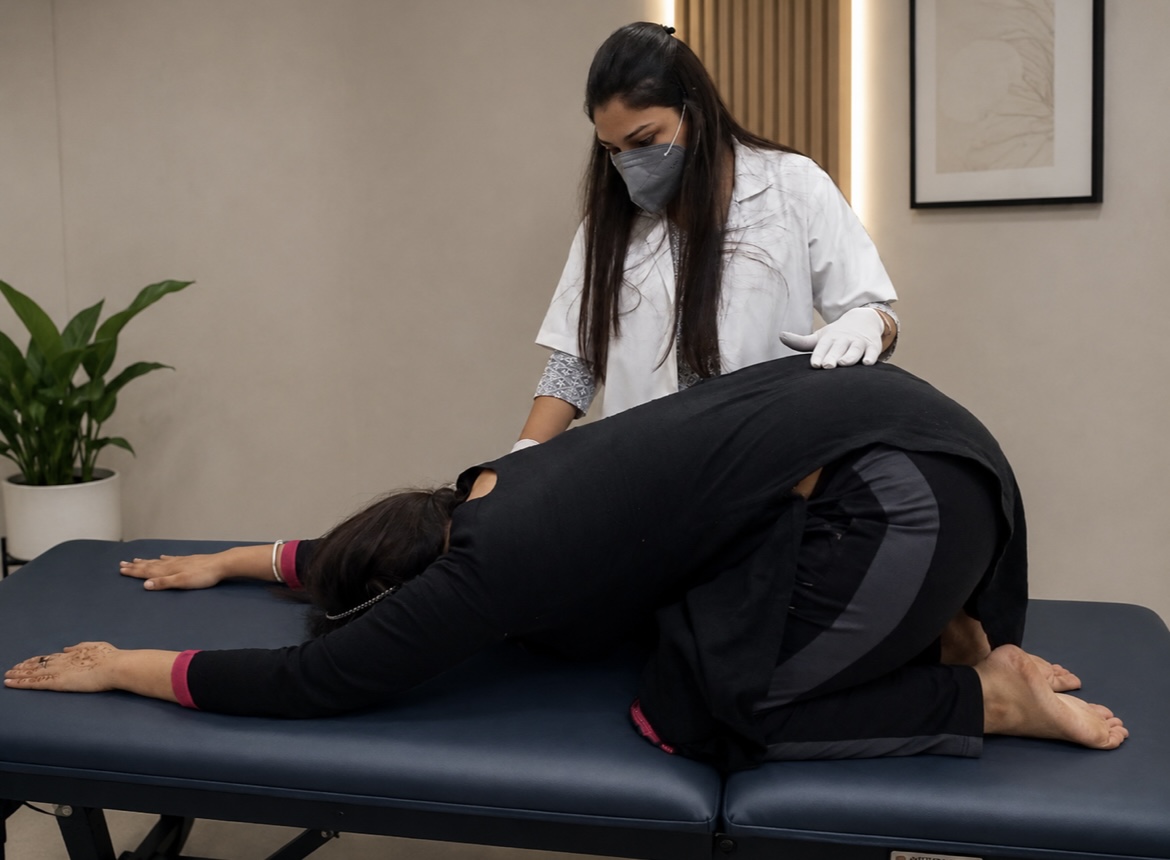
Table of Contents
- Introduction
- What Is Scar Tissue?
- Why Do Scars Become Tight?
- Common Symptoms of Scar Tightness
- When Should You Seek Physiotherapy?
- How Physiotherapy Helps Manage Scar Tightness
- Can Physiotherapy Remove a Scar?
- Common Mistakes People Make
- Why Choose My Rehabify?
- Frequently Asked Questions (FAQs)
- Conclusion
Introduction
When people think about scars after surgery or burns, they often focus on how the scar looks. However, scars can affect much more than appearance.
As the body heals, scar tissue forms naturally to repair damaged skin and underlying tissues. While this is an essential part of healing, scar tissue doesn't always behave like normal skin. In some cases, it becomes tight, thick, or less flexible, restricting movement and causing discomfort during everyday activities.
For example, a scar across the knee may make bending difficult, while a scar near the shoulder can limit overhead movements. Burn scars that cross joints may gradually lead to stiffness if they are not managed appropriately.
This is where physiotherapy plays an important role. Through guided exercises, movement training, scar management techniques, and rehabilitation, physiotherapy helps improve mobility, reduce stiffness, and support a more functional recovery.
What Is Scar Tissue?
Scar tissue is the body's natural way of repairing injured skin and deeper tissues after surgery, burns, trauma, or other injuries.
Unlike healthy skin, scar tissue contains collagen fibers that are arranged differently. Instead of forming a flexible, organized structure, these fibers are often laid down in a more random pattern.
As a result, scar tissue may feel:
- tighter
- thicker
- less elastic
- less mobile
Most scars soften naturally over time, but some remain tight and restrict movement, particularly when they develop near joints or over large areas of skin.
Why Do Scars Become Tight?
During healing, the body attempts to close the wound as quickly as possible. As collagen is produced, the scar gradually contracts. This process, known as scar contraction, is a normal part of healing. However, excessive contraction can limit the movement of nearby muscles, tendons, and joints.
Several factors can increase the likelihood of scar tightness, including:
- Deep surgical incisions
- Burn injuries
- Skin graft procedures
- Delayed wound healing
- Infection during recovery
- Limited movement after surgery
- Large scars crossing joints such as the shoulder, elbow, wrist, hip, knee, or ankle
Without appropriate rehabilitation, tight scars may interfere with normal movement and daily activities.
Common Symptoms of Scar Tightness
Many people don't realize that ongoing stiffness may be related to the scar itself. Some common symptoms include:
Reduced Range of Motion
You may notice difficulty bending, straightening, or fully moving the affected joint. The restriction often feels like the skin is pulling during movement.
A Feeling of Pulling or Stretching
Many people describe a tight pulling sensation whenever they reach, squat, kneel, or stretch.
This feeling is especially common when scars are located over joints or muscles that move frequently.
Pain or Discomfort During Movement
Scar tissue itself may not always be painful, but when it restricts surrounding tissues, movement can become uncomfortable. Simple daily activities such as climbing stairs, lifting objects, or dressing may become more difficult.
Thick or Raised Scars
Some scars become raised or firm as they heal. While appearance alone does not determine function, thicker scars may also feel less flexible and contribute to movement limitations
When Should You Seek Physiotherapy?
Not every scar requires rehabilitation. However, you should consider consulting a physiotherapist if:
- Your scar feels tight or uncomfortable.
- You have difficulty moving a nearby joint.
- Daily activities have become more difficult because of the scar.
- You notice persistent stiffness several weeks after healing.
- Your healthcare provider recommends rehabilitation after surgery or burns.
Early intervention can often help restore movement before long-term stiffness develops.
How Physiotherapy Helps Manage Scar Tightness
Physiotherapy aims to improve the way the scar and surrounding tissues move rather than simply focusing on the scar's appearance.
Treatment is always started only after the wound has healed sufficiently and with approval from the treating surgeon or burn specialist when necessary.
Scar Assessment
Every scar behaves differently.
A physiotherapist carefully assesses the scar's location, thickness, flexibility, sensitivity, and its effect on nearby joints and muscles. They also evaluate how the scar influences your posture, walking pattern, and everyday movements.
This detailed assessment helps create a rehabilitation plan tailored to your specific needs rather than using a one-size-fits-all approach.
Scar Mobility Techniques
Once the wound has healed completely, gentle scar mobility techniques may be introduced to help improve the movement of the scar over the underlying tissues.
When scar tissue becomes attached to deeper structures, it can restrict normal movement and create a pulling sensation during activities. Guided scar mobilization aims to improve tissue flexibility and reduce these restrictions over time.
These techniques should always be performed under professional guidance initially to ensure they are appropriate for the stage of healing.
Stretching Exercises
As scars mature, they may gradually tighten, especially when they cross a joint.
Gentle stretching exercises help maintain the flexibility of the surrounding skin, muscles, and connective tissues. These stretches are introduced progressively and are tailored to the individual's comfort level and stage of recovery.
Regular stretching can reduce stiffness, improve movement, and help prevent contractures, particularly after burn injuries or extensive surgeries.
Strengthening Exercises
Following surgery or prolonged immobilization, muscles around the affected area often become weaker due to reduced activity.
A physiotherapist designs a personalized strengthening program to rebuild muscle strength, improve joint stability, and restore functional movement. Strong muscles provide better support for healing tissues and help patients return to everyday tasks with greater confidence.
Exercises are progressed gradually to match healing and individual ability.
Range of Motion Training
Maintaining joint movement is essential during rehabilitation.
Range-of-motion exercises are prescribed to help restore flexibility and prevent joints from becoming stiff. These exercises are especially important when scars are located near the shoulders, elbows, wrists, hips, knees, or ankles.
Consistent practice helps preserve normal movement patterns and makes daily activities such as walking, reaching, climbing stairs, and dressing easier.
Functional Rehabilitation
The ultimate goal of rehabilitation is not simply to improve the scar but to restore the ability to perform everyday activities comfortably.
Physiotherapy includes functional exercises that simulate real-life movements, such as standing up from a chair, lifting objects, climbing stairs, reaching overhead, or returning to work and recreational activities.
This ensures that improvements in flexibility and strength translate into meaningful gains in daily life.
Can Physiotherapy Remove a Scar?
This is a common misconception. Physiotherapy does not remove scars or make them disappear.
Instead, physiotherapy focuses on improving:
- Scar mobility
- Joint flexibility
- Muscle strength
- Functional movement
- Comfort during daily activities
For concerns primarily related to the appearance of a scar, consultation with a dermatologist or plastic surgeon may be appropriate.
Common Mistakes People Make
Waiting Too Long to Address Stiffness
Many people assume tightness will disappear on its own.
While some improvement occurs naturally, persistent stiffness may require rehabilitation to restore movement and prevent long-term restrictions.
Avoiding Movement Because of Fear
It is natural to worry about moving after surgery or a burn injury. However, avoiding movement for prolonged periods can contribute to stiffness, muscle weakness, and reduced function.
Following a structured rehabilitation program helps patients regain confidence while protecting healing tissues.
Performing Aggressive Scar Massage Too Early
Scar massage is not appropriate immediately after surgery or while the wound is still healing. Starting too early or applying excessive pressure may interfere with the healing process.
Scar management should always be guided by a healthcare professional and only begin once the wound has healed adequately.
Ignoring Home Exercises
Recovery continues between physiotherapy sessions.
Regularly performing prescribed stretching and strengthening exercises is often essential for maintaining progress and achieving the best possible outcome.
Why Choose My Rehabify?
At My Rehabify, we understand that successful recovery involves more than wound healing. Our rehabilitation programs focus on restoring movement, reducing stiffness, rebuilding strength, and helping you return to the activities that matter most.
We provide individualized physiotherapy plans for patients recovering from surgeries, burn injuries, fractures, and other conditions where scar tissue affects movement. By working closely with your surgeon, dermatologist, or other healthcare providers when needed, we ensure that rehabilitation is safe, evidence-based, and tailored to your stage of healing.
Frequently Asked Questions
Can physiotherapy make my scar disappear?
No. Physiotherapy does not remove scars, but it can help improve scar mobility, reduce tightness, restore joint movement, and improve function.
When should I start physiotherapy after surgery?
The timing depends on the type of surgery, wound healing, and your surgeon's recommendations. Always follow medical advice before beginning rehabilitation.
Is scar massage painful?
Scar mobility techniques should not be excessively painful. Mild discomfort may occur, but treatment is generally gentle and adjusted according to your comfort and stage of healing.
Can burn scars become stiff?
Yes. Burn scars, particularly those crossing joints, may tighten as they heal. Early rehabilitation and regular movement can help reduce stiffness and preserve mobility.
Conclusion
Scars are a natural part of the healing process, but they can sometimes affect much more than the skin. Tight scar tissue may limit movement, cause discomfort, and interfere with everyday activities if left unaddressed.
Physiotherapy cannot erase a scar, but it can play a significant role in improving scar flexibility, restoring joint mobility, rebuilding strength, and helping you regain confidence in movement.
At MyRehabify, we believe that recovery isn't just about healing the wound, it's about helping you move freely, comfortably, and confidently again.
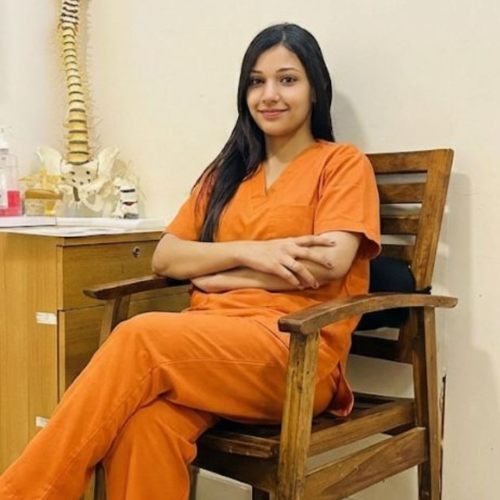
About the Author - Dr. Priya Gaur
Physiotherapist at My Rehabify
Dr. Priya Gaur (PT), MPT – Orthopaedics is the Founder and Chief Physiotherapist at My Rehabify Physiotherapy, Delhi. With 7+ years of clinical experience, she specializes in orthopedic, sports injury, neurological, and post-operative rehabilitation. This article is based on evidence-based physiotherapy practices and her extensive clinical expertise to provide accurate, reliable, and patient-focused health information.