
Rotator Cuff Rehabilitation · Rehabify Delhi
A Rotator Cuff Injury Physiotherapy Treatment in Delhi
Are you experiencing shoulder pain, weakness, or difficulty lifting your arm? You may be dealing with a rotator cuff injury. It is a common yet often neglected condition that can significantly impact your daily life. If you're searching for Rotator cuff injury Treatment in Delhi, you're in the right place.
At Rehabify, we provide advanced, evidence based physiotherapy treatment designed to reduce pain, restore mobility, and help you return to normal activities without surgery whenever possible. Whether you prefer in clinic care or tele physiotherapy, our personalized treatment approach ensures optimal recovery.
In Clinic Sessions
Tel Physiotherapy
Avoid Surgery
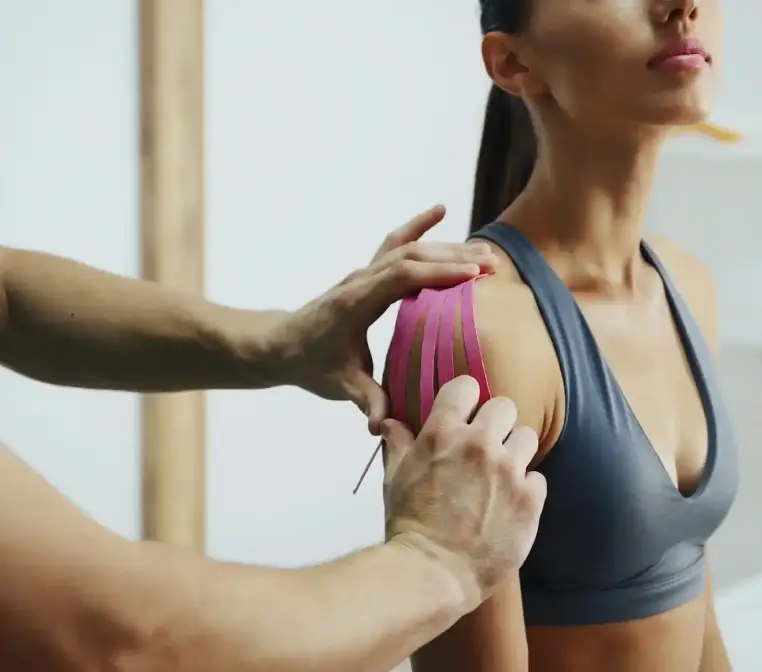
Recognise the Signs
Symptoms of a Rotator Cuff Injury
Early recognition leads to faster recovery. These symptoms indicate rotator cuff involvement don't dismiss them as general shoulder soreness. Early physiotherapy prevents small injuries from progressing to significant tears.
Persistent Night Pain
Pain When Lifting the Arm
Shoulder Weakness
Limited Range of Motion
Clicking or Popping
Difficulty with Daily Tasks
Root Causes
What Causes Rotator Cuff Injuries?
Rotator cuff injuries arise from a range of mechanical, degenerative, and postural factors. Identifying the specific cause is essential for designing the most targeted and effective rehabilitation programme.
Overuse & Repetitive Movements
Frequent overhead activities (sports, gym workouts, painting, etc.) can strain the shoulder.
Age Related Degeneration
Tendons weaken over time, making individuals above 35/40 years more prone.
Sudden Trauma
Falls or lifting heavy objects incorrectly can lead to tears.
Poor Posture
Forward shoulder posture increases stress on the rotator cuff.
Muscle Imbalance
Weak scapular stabilizers can overload the rotator cuff muscles.
Our Assessment
Diagnosis of Rotator Cuff Injury
Accurate diagnosis is critical for effective treatment. A professional physiotherapist near you will conduct: At Rehabify, we ensure a thorough assessment before starting your Rotator cuff injury Treatment in Delhi.

Range of Motion Testing
Active and passive shoulder movement assessed in all planes identifying the specific arc of pain and restriction pattern.

Shoulder Strength Evaluation

Special Orthopaedic Tests

Postural & Scapular Assessment

MRI / Ultrasound (If Needed)

Functional Movement Screen
Specialised Treatment
Rotator Cuff Injury Physiotherapy Treatment in Delhi
Physiotherapy is the first line and most effective treatment for most rotator cuff injuries. My Rehabify, approach focuses on pain relief, healing, and long term recovery.

Pain Management
-
Electrotherapy IFT, TENS, Ultrasound
-
Ice & Heat Therapy
-
Manual Therapy Techniques
-
Activity Modification Advice
Mobility Restoration
-
Passive Range of Motion Exercises
-
Active Assisted Movements
-
Glenohumeral Joint Mobilisation
-
Capsular Stretching
Rotator Cuff Strengthening
-
Cuff Specific Strengthening Exercises
-
Scapular Stabilisation Training
-
Resistance Band Progressions
-
Progressive Overload Protocols

Posture Correction
-
Ergonomic Workplace Assessment
-
Postural Retraining Exercises
-
Kinesio Taping for Alignment
Functional Rehabilitation
-
Sport Specific Shoulder Drills
-
Work Simulation Exercises
-
Overhead Loading Progressions
-
Return to Activity Protocols
Home Exercise Programme
-
Video Guided Exercise Library
-
Tele Physio Follow Up Sessions
-
Long Term Prevention Plan
Don't Let Shoulder Pain Hold You Back
Contact now to consult the best physiotherapist in Delhi and start your recovery journey today!
Recovery Timeline By Injury Type
Recovery depends on the severity and type of your rotator cuff injury. Consistency with physiotherapy is the single most important factor in achieving faster, more complete recovery.
2/4 Wks Recovery time Mild Strain / Tendinitis
6/8 Wks Recovery time Moderate Injury
8/12 Wks Recovery time
3/6 Mths Post surgical Post Surgical Rehabilitation
Tele Physiotherapy
Maintenance After Recovery
Recovery doesn't end with pain resolution. Maintaining rotator cuff strength and shoulder mechanics is the key to preventing recurrence and to protecting the shoulder long term.
Continue Strengthening Exercises
Maintain Good Posture at Work
Avoid Sudden Heavy Lifting
Periodic Physiotherapy Check Ups
Prevention Tips for Rotator Cuff Injury
Preventing a rotator cuff injury is always easier than treating one especially as you age. These consistent habits protect your shoulder long term.
Strengthen the rotator cuff and scapular stabilising muscles regularly not just when you have pain
Correct rounded shoulder posture retraining posture is one of the single most protective steps you can take
Avoid overuse take rest days and vary your training load when performing overhead activities
Use proper technique in the gym, sport, and at work incorrect form dramatically increases cuff stress
Stretch the shoulder and chest regularly particularly the posterior capsule and pectorals
See a physiotherapist at the first sign of shoulder pain don't wait for a small issue to become a tear
Who Needs Physiotherapy for Rotator Cuff Injury?
You should consult a physical therapist if: Early physiotherapy intervention can prevent surgery in many cases.
Persistent shoulder pain lasting more than a few days
Shoulder weakness or a feeling of instability
Night pain disrupting your sleep regularly
Daily activities restricted by pain or limited movement
Pain that is progressively worsening over time
Post exercise shoulder pain that doesn't settle within 24 hours
Why Rehabify
Why Choose My Rehabify for Rotator Cuff Injury Treatment in Delhi?
When searching for the best physiotherapist in Delhi, you need someone who understands both the science and the practical aspects of recovery.

Flexible Options
Visit our Delhi clinic or access expert rotator cuff rehabilitation via tele physiotherapy complete flexibility without compromise.

Evidence Based Protocols
We follow internationally recognised clinical guidelines for rotator cuff rehabilitation not generic shoulder exercises.

Personalised Treatment Plans
Every patient receives a rehabilitation protocol built specifically around their tear type, severity, and return to activity goals.

Focus on Root Cause
We identify and correct the postural and muscle imbalance factors driving your injury ensuring it doesn't return once resolved.
Book Your Appointment Today
Don’t let shoulder pain limit your life. Get expert Rotator cuff injury Treatment in Delhi from a trusted physical therapist. Whether you need in clinic care, home visits, or tele physiotherapy, we are here to help you recover faster and stronger.
Our Founder
About Dr Priya Gaur
Dr. Priya Gaur is a Musculoskeletal Physiotherapist with over 7 years of clinical experience, specialising in pain management, movement rehabilitation, and spine care.
She holds a Bachelor of Physiotherapy (B.P.T.) from Chhatrapati Shahu Ji Maharaj University and a Master’s in Musculoskeletal Physiotherapy from Maharishi Markandeshwar University.
With clinical training at Fortis Hospital and experience in a dedicated Spine Clinic in Delhi, Dr. Priya follows an evidence-based, patient-centred approach focused on personalised rehabilitation and long-term recovery.

We Treat
Patient Case Studies
Whether you're dealing with chronic pain, a sports injury, or recovering from surgery our expert physiotherapist in Delhi near you have you covered.

From Pain to Progress
An 18-year-old medical student’s journey towards improved posture, mobility, strength, and confidence through personalised rehabilitation.

From Bedridden to Back to the Fields
A 65-year-old farmer’s inspiring recovery from spinal fracture, pain, and limited mobility to renewed strength, confidence, and independence through personalised physiotherapy.
Online Sessions
FAQs Rotator Cuff Injury Treatment in Delhi
Have a question that isn't answered here? Call us directly and our specialist physiotherapy team will help you understand your condition and the best next steps.
Can a rotator cuff injury heal without surgery?
Yes, most rotator cuff injuries respond very well to physiotherapy and do not require surgery.
How many physiotherapy sessions are needed?
Typically, 10–20 sessions depending on severity and patient compliance.
Is exercise safe during a rotator cuff injury?
Yes, but only under guidance. Incorrect exercises can worsen the condition.
Do you offer home visits?
Yes, we provide physiotherapists near you services in Delhi for home-based care.
What is tele physiotherapy?
It is online physiotherapy where sessions are conducted via video call, allowing remote assessment and guided exercises.
When should I start physiotherapy?
As early as possible. Delayed treatment can lead to stiffness and chronic pain.
What are the common causes of a rotator cuff injury?
Rotator cuff injuries are commonly caused by repetitive overhead activities, sports injuries, heavy lifting, falls, age-related tendon degeneration, or shoulder overuse. A physiotherapy assessment helps identify the exact cause and severity of the injury.
What physiotherapy treatments are used for rotator cuff injuries?
Treatment may include manual therapy, shoulder strengthening exercises, stretching, joint mobilization, posture correction, resistance training, pain-relief modalities, and a personalized rehabilitation program to restore shoulder function.
Can physiotherapy help prevent future rotator cuff injuries?
Yes. Physiotherapy strengthens the shoulder muscles, improves joint stability, corrects movement patterns, and enhances flexibility, reducing the risk of re-injury during sports, work, and daily activities.
Why choose My Rehabify for Rotator Cuff Injury Physiotherapy Treatment in Delhi?
At My Rehabify, our experienced physiotherapists provide evidence-based rehabilitation tailored to your condition. We focus on relieving shoulder pain, restoring strength and mobility, improving joint stability, and helping you return safely to your normal activities without unnecessary surgery.
Ready to Live Pain Free?
Join 1,000+ Delhiites who chose My Rehabify, Delhi's best physiotherapist for their recovery journey. Your first consultation is completely free.
Email Us
Call Us:
Timing
Mon-Sat: 9am-8pm
Sun: Closed