
Postpartum Back Pain: Causes and Physiotherapy Treatment
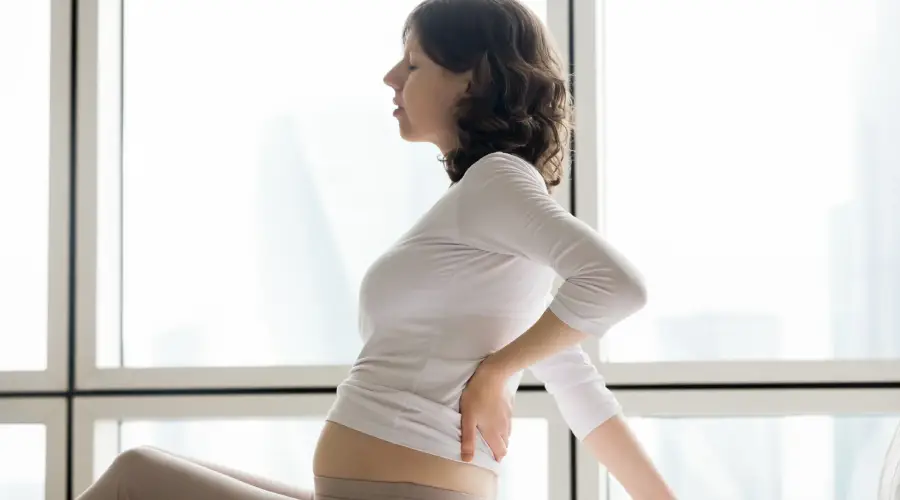
Table of Contents
| • What Is Postpartum Back Pain? |
| • Why Does Back Pain Happen After Delivery? |
| • Common Causes of Postpartum Back Pain |
| • Common Symptoms of Postpartum Back Pain |
| • When Should Postpartum Back Pain Be Taken Seriously? |
| • How Physiotherapy Helps Postpartum Back Pain |
| • Physiotherapy Treatment for Postpartum Back Pain |
| • Benefits of Physiotherapy After Delivery |
| • Importance of Exercise Therapy After Pregnancy |
| • Simple Tips to Reduce Postpartum Back Pain |
| • Common Mistakes New Mothers Make |
| • When Should You Consult a Physiotherapist? |
| • Why Choose Rehabify? |
| • Frequently Asked Questions |
| • Conclusion |
Motherhood brings many physical and emotional changes to the body. While caring for a newborn is a beautiful experience, many women silently struggle with postpartum back pain after delivery.
Some mothers experience:
• lower back pain 🦴
• upper back stiffness 🧍
• neck pain 🤕
• pelvic discomfort ⚠️
• muscle weakness 💪⬇️
• pain while lifting the baby 👶🤲
These symptoms often develop due to the physical stress pregnancy places on the body, combined with post-delivery weakness and repetitive baby care activities.
Unfortunately, many women consider postpartum pain “normal” and continue ignoring it. However, persistent discomfort should not be overlooked, especially when it affects daily activities, sleep, feeding posture , or overall recovery.
The good news is that physiotherapy and exercise therapy can play a major role in helping mothers recover safely, improve posture , regain strength , and reduce pain naturally.
In this article, we will discuss the common causes of postpartum back pain and how physiotherapy treatment can help during recovery.
What Is Postpartum Back Pain?
Postpartum back pain refers to pain or discomfort experienced in the back after childbirth.
The pain may affect:
-
📉 Lower back
-
📈 Upper back
-
🦒 Neck
-
👖 Hips
-
🧬 Pelvic region
Some women notice pain immediately after delivery , while others develop symptms gradually over the following weeks or months.
The intensity of pain varies from person to person. For some mothers, it may feel like mild stiffness. For others, it may interfere with walking, lifting, sleeping, or caring for the baby comfortably.
Why Does Back Pain Happen After Delivery?
Pregnancy and childbirth place significant physical stress on the body.
During pregnancy:
-
⚖️ Body weight increases
-
🧍♀️ Posture changes
-
💪 Abdominal muscles stretch
-
🦴 Ligaments become more flexible
-
🎒 Spinal load increases
After delivery, the body does not immediately return to its previous strength and alignment.
In addition, repetitive baby care activities can further strain the muscles and joints, such as:
-
🍼 Breastfeeding
-
👶 Lifting the baby
-
🚶♀️ Carrying the baby
-
📉 Bending frequently
-
😴 Lack of sleep
-
🪑 Prolonged sitting
Common Causes of Postpartum Back Pain
Weak Core Muscles
During pregnancy, abdominal muscles stretch significantly.
After delivery, the core muscles may remain weak, reducing spinal support and increasing stress on the lower back.
Poor Feeding Posture
Many mothers spend long hours breastfeeding or bottle feeding in unsupported positions.
Slouching while feeding can increase strain on the:
- neck
- shoulders
- upper back
- lower back
Hormonal Changes
Pregnancy hormones make ligaments and joints more flexible.
Even after delivery, some joint laxity may persist temporarily, contributing to instability and discomfort.
Lifting and Carrying the Baby
Repeatedly lifting, rocking, and carrying the baby places continuous stress on the spine and shoulders.
Incorrect lifting posture can worsen back pain further.
Lack of Physical Activity
Recovery, fatigue, and newborn care often reduce physical activity levels after childbirth.
Reduced movement may lead to:
- stiffness
- weakness
- tight muscles
- poor mobility
Sleep Deprivation and Fatigue
Interrupted sleep and physical exhaustion can increase muscular tension and body aches.
Fatigue also affects posture and body mechanics.
Common Symptoms of Postpartum Back Pain
Symptoms may include:
Some mothers may also experience pain after prolonged sitting or standing.
lower back ache
upper back stiffness
fatigue during daily activities
neck pain
pelvic discomfort
poor posture
pain while bending
difficulty lifting the baby
muscle tightness
When Should Postpartum Back Pain Be Taken Seriously?
Mild discomfort can be common initially after childbirth.
However, professional assessment may be needed if:
-
⏳ Pain persists for several weeks
-
🚶♀️ Movement becomes difficult
-
📈 Pain worsens gradually
-
⚡ Numbness or tingling occurs
-
🧍♀️ Posture becomes severely affected
-
📉 Daily activities feel difficult
-
😴 Pain interferes with sleep or baby care 🍼
Early physiotherapy intervention can help prevent chronic pain and long-term weakness
How Physiotherapy Helps Postpartum Back Pain
Physiotherapy focuses on helping mothers recover safely and gradually after delivery.
Treatment is personalized according to: The goal is to restore strength, improve posture, and reduce physical stress on the body.
delivery type
muscle strength
pain severity
mobility levels
posture
daily activity demands
Physiotherapy Treatment for Postpartum Back Pain
1. Posture Correction
Correct posture during:
- breastfeeding
- lifting
- sitting
- standing
can significantly reduce spinal strain.
Physiotherapists guide mothers on safe and comfortable body positioning during daily activities.
2. Core Strengthening Exercises
Gentle core rehabilitation helps restore abdominal strength and spinal stability.
Strengthening the core is essential for reducing lower back stress after pregnancy.
3. Exercise Therapy
Exercise therapy helps improve:
- flexibility
- posture
- mobility
- muscle strength
- circulation
Exercises progress gradually according to recovery levels
4. Pelvic Stability Training
Pelvic muscles and surrounding structures may weaken after childbirth.
Targeted rehabilitation helps improve pelvic support and movement control.
5. Stretching and Mobility Exercises
Stretching exercises help reduce tightness in:
- lower back
- shoulders
- neck
- hips
Mobility exercises also improve overall body movement and flexibility
6. Ergonomic Advice for Baby Care
Physiotherapists guide mothers on:
- safe lifting techniques
- feeding posture
- carrying posture
- sleeping positions
- activity modification
These adjustments help reduce repetitive strain
Benefits of Physiotherapy After Delivery
Physiotherapy can help: It also helps mothers return to daily activities more comfortably.
reduce pain naturally
improve posture
rebuild strength
improve flexibility
reduce stiffness
improve confidence in movement
Importance of Exercise Therapy After Pregnancy
Exercise therapy is important because prolonged inactivity may worsen weakness and stiffness.
Guided postpartum exercises help:
-
🎯 Reactivate core muscles
-
🧍♀️ Improve posture
-
⚡ Increase energy levels
-
🦴 Support spinal health
-
🧠 Improve movement control
Safe rehabilitation plays a major role in long term postpartum recovery
Simple Tips to Reduce Postpartum Back Pain
Maintain Proper Feeding Posture
Use pillows or back support while feeding the baby.
Avoid Sudden Heavy Lifting
Use proper body mechanics while lifting.
Stay Physically Active
Gentle movement and walking can help reduce stiffness.
Strengthen Core Muscles Gradually
Avoid rushing into intense exercises too early.
Take Short Rest Breaks
Physical fatigue increases muscular strain.
Use Back Support While Sitting
Proper support reduces stress on the spine.
Common Mistakes New Mothers Make
Ignoring Pain Completely
Many mothers prioritize baby care while neglecting their own recovery.
Poor Breastfeeding Posture
Unsupported feeding posture commonly contributes to upper back and neck pain.
Returning to Intense Exercise Too Early
The body needs gradual rehabilitation after childbirth.
Lack of Movement
Excessive inactivity can worsen stiffness and weakness.
Lifting Incorrectly
Poor lifting mechanics increase spinal strain significantly.
When Should You Consult a Physiotherapist?
Consult a physiotherapist if:
-
⏳ Back pain persists
-
🚶♀️ Movement feels restricted
-
🧍♀️ Posture worsens
-
👶 Lifting becomes painful
-
📉 Weakness continues
-
📉 Daily activities become difficult
-
😴 Pain affects sleep or baby care 🍼
Early rehabilitation helps improve recovery and prevents long-term musculoskeletal issues
Why Choose My Rehabify?
At My Rehabify, postpartum rehabilitation focuses on helping mothers recover safely and confidently after childbirth.
Our approach includes:
-
🧍♀️ Posture assessment
-
🏋️♀️ Exercise therapy
-
🎯 Core rehabilitation
-
🏃♀️ Mobility training
-
🪑 Ergonomic guidance
-
📋 Personalized recovery programs
The goal is to support mothers physically during their postpartum recovery journey.
Frequently Asked Questions
Is postpartum back pain normal?
Mild discomfort can be common after delivery, but persistent pain should not be ignored.
How long does postpartum back pain last?
Recovery varies for each individual depending on strength, posture, activity levels, and rehabilitation.
Can physiotherapy help after C section delivery?
Yes. Physiotherapy can help improve mobility, posture, core strength, and recovery after C section.
When can postpartum exercises be started?
Exercise timing varies depending on delivery type and recovery status. Professional guidance is recommended.
Can breastfeeding posture cause back pain?
Yes. Poor feeding posture can contribute to neck, shoulder, and upper back strain.
Conclusion
Postpartum back pain is a common but often overlooked issue among new mothers. Physical changes during pregnancy, muscle weakness, poor posture, and repetitive baby care activities can all contribute to discomfort after delivery.
Ignoring persistent pain may affect recovery, posture, mobility, and overall well being.
Physiotherapy and exercise therapy can help mothers regain strength, improve posture, reduce pain, and recover safely after childbirth.
If you are struggling with postpartum back pain or physical discomfort after delivery, Rehabify can help you with a personalized rehabilitation plan designed for your recovery needs.
About the Author - Dr. Priya Gaur
Physiotherapist at My Rehabify
Dr. Priya Gaur (PT), MPT – Orthopaedics is the Founder and Chief Physiotherapist at My Rehabify Physiotherapy, Delhi. With 7+ years of clinical experience, she specializes in orthopedic, sports injury, neurological, and post-operative rehabilitation. This article is based on evidence-based physiotherapy practices and her extensive clinical expertise to provide accurate, reliable, and patient-focused health information.