
Can Pilates Help Back Pain?
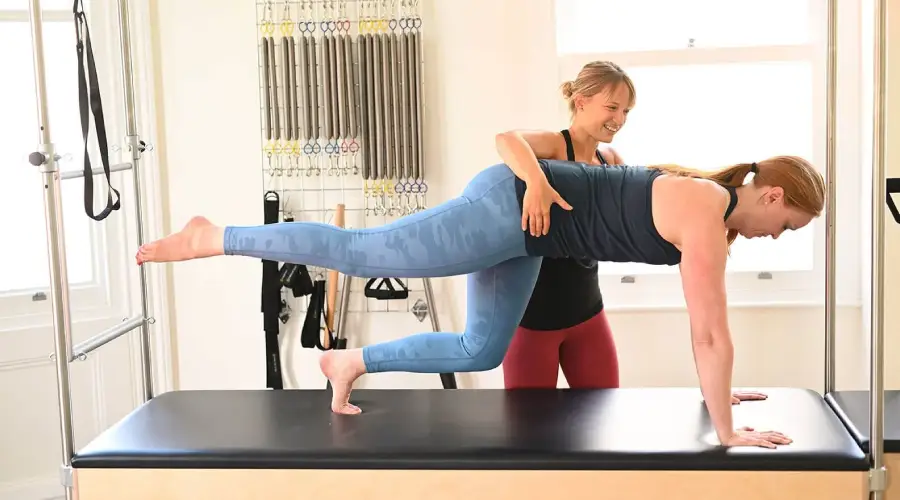
Table of Contents
| • What Causes Back Pain? |
| What Is Pilates? |
| • How Pilates Helps Back Pain |
| • Benefits of Pilates for Back Pain |
| • Is Pilates Safe for Back Pain? |
| • Role of Physiotherapy Guided Pilates |
| • Common Mistakes People Make |
| • Who Can Benefit From Pilates for Back Pain? |
| • Simple Pilates Principles That Support Back Health |
| • When Should You Consult a Physiotherapist? |
| • Why Choose Rehabify? |
| • Frequently Asked Questions |
| • Conclusion |
Back pain has become one of the most common lifestyle-related problems today. Long sitting hours, poor posture, weak core muscles, stress, lack of movement, and physically demanding routines often place excessive strain on the spine. Many people experience lower back pain, stiffness, poor posture, muscle tightness, reduced flexibility, and discomfort during daily activities.
While temporary relief methods may reduce symptoms for some time, long-term recovery often requires improving movement patterns and spinal support. This is where Pilates can be highly beneficial.
Pilates is a controlled, movement-based exercise approach that focuses on core strengthening, posture correction, flexibility, spinal stability, and body awareness. Over the years, Pilates has become increasingly popular in physiotherapy and rehabilitation programs for managing back pain safely and effectively.
In this article, we will understand how Pilates helps back pain, its benefits, and when physiotherapy-guided Pilates may be useful.
What Causes Back Pain?
Back pain can develop due to several reasons.
Common causes include:
• poor posture 🧍
• prolonged sitting 💻
• weak core muscles 💪
• muscle imbalance ⚖️
• spinal stiffness 🔄
• lack of physical activity 🚶❌
• repetitive strain 🔁
• stress on spinal structures ⚠️
Sometimes pain may also develop due to poor movement mechanics during daily activities.
When supportive muscles become weak, the spine experiences increased stress during movement and posture maintenance.
What Is Pilates?
Pilates is a low impact exercise system focused on controlled movement and muscle activation.
Unlike high impact workouts, Pilates emphasizes:
• movement quality 🎯
• breathing control 🌬️
• posture awareness 🧍
• core stability ⚖️
• flexibility 🔄
The exercises are generally slow, precise, and controlled.
This makes Pilates suitable for:
• beginners 🌱
• individuals with back pain 🦴
• desk workers 💻
• postpartum women 👩🍼
• rehabilitation patients 🩺
• older adults 👴👵
How Pilates Helps Back Pain
Strengthens Core Muscles
One of the biggest reasons Pilates helps back pain is improved core strength.
The core muscles support the spine during:
- sitting
- standing
- walking
- lifting
- movement
Weak core muscles increase stress on the lower back.
Pilates activates deep stabilizing muscles that help support spinal alignment and reduce strain
Improves Posture
Poor posture is a major contributor to back pain.
Long hours of:
- slouching
- laptop work
- phone usage
- incorrect sitting habits
can gradually stress the spine.
Pilates improves posture awareness and strengthens posture supporting muscles.
Better posture helps reduce pressure on the back.
Enhances Spine Stability
Spine stability refers to the body’s ability to support and control spinal movement safely.
Pilates improves the coordination of muscles surrounding the spine.
Improved stability reduces excessive movement stress and supports safer body mechanics.
Reduces Muscle Tightness
Tight muscles around the hips, back, and shoulders can contribute to pain and restricted movement.
Pilates includes controlled stretching and mobility exercises that improve flexibility and reduce stiffness.
Improved mobility helps the body move more comfortably.
Encourages Better Movement Patterns
Many people unknowingly move with poor mechanics during daily activities.
Pilates improves:
- body awareness
- movement control
- muscle coordination
This helps reduce unnecessary stress on spinal joints and muscles
Improves Flexibility and Mobility
Reduced flexibility often contributes to spinal stiffness and discomfort.
Pilates helps improve movement in:
- spine
- hips
- pelvis
- shoulders
Benefits of Pilates for Back Pain
Pilates may help: It also encourages long term healthy movement habits.
strengthen core muscles
complete tendon ruptures
reduce stiffness
improve flexibility
support spinal alignment
improve balance
increase movement confidence
reduce recurrence of pain
Is Pilates Safe for Back Pain?
Pilates can be safe and beneficial for many individuals with back pain when exercises are selected appropriately.
However, not all exercises suit every condition.
People with:
• severe pain 🤕
• disc related problems 🦴
• nerve symptoms ⚡
• recent injury 🩹
• spinal instability 🧍
should ideally perform exercises under professional guidance.
Physiotherapy based Pilates helps ensure exercises are modified safely according to individual needs and recovery goals.
Role of Physiotherapy Guided Pilates
Physiotherapy guided Pilates combines rehabilitation principles with Pilates exercises.
Physiotherapists assess: Exercises are then customized according to the person’s condition and goals.
This approach helps improve safety and effectiveness during recovery.
posture
mobility
flexibility
movement patterns
muscle weakness
improve balance
Common Mistakes People Make
Performing Exercises Incorrectly
Incorrect movement mechanics may reduce benefits and increase strain.
Ignoring Pain During Exercise
Pain should not be pushed aggressively during rehabilitation
Starting Advanced Exercises Too Early
The body requires gradual progression
Focusing Only on Flexibility
Spinal stability and muscle control are equally important.
Who Can Benefit From Pilates for Back Pain?
Pilates may benefit: However, exercise selection should always match the individual’s physical condition and movement needs.
desk workers
individuals with posture related pain
postpartum women
older adults
fitness beginners
people with recurrent back stiffness
Simple Pilates Principles That Support Back Health
Maintain Neutral Spine Position
Avoid excessive slouching or arching
Coordinate Breathing With Movement
Breathing improves movement control and stability.
Focus on Core Activation
Gentle core engagement improves spinal support.
Move Slowly and With Control
Controlled movement improves muscle coordination.
When Should You Consult a Physiotherapist?
Consult a physiotherapist if:
• back pain persists regularly 🤕
• movement feels restricted 🚶
• pain radiates to the legs ⚡🦵
• posture is worsening 🧍
• stiffness affects daily activities 🏡
• exercises increase discomfort 😣
Professional guidance helps ensure safe rehabilitation and appropriate exercise progression.
Why Choose My Rehabify?
At My Rehabify, physiotherapy guided Pilates programs focus on improving:
• spinal stability 🦴
• posture 🧍
• flexibility 🔄
• core strength 💪
• movement quality 🎯
Our approach includes:
• posture assessment 📋
• exercise therapy 🏋️
• Pilates based rehabilitation 🧘
• mobility training 🚶♂️
• personalized recovery plans 🎯
The goal is to help individuals manage pain safely and improve long term movement health.
Frequently Asked Questions
Can Pilates cure back pain completely?
Pilates may help reduce pain and improve function, but recovery depends on the underlying cause and consistency of rehabilitation.
Is Pilates better than regular gym exercises for back pain?
Pilates focuses more on posture, spinal control, core activation, and movement quality.
How often should Pilates be done for back pain?
Frequency depends on individual condition and rehabilitation goals.
Can beginners with back pain do Pilates?
Yes. Beginner-friendly and modified exercises can be introduced safely.
Can Pilates worsen back pain?
Incorrect exercises or poor technique may aggravate symptoms. Professional guidance is important in some cases.
Conclusion
Pilates can be highly beneficial for managing back pain by improving core strength, posture, flexibility, spinal stability, and movement control.
Unlike high impact exercise methods, Pilates focuses on controlled and mindful movement, making it suitable for many individuals experiencing posture related discomfort and muscular weakness.
When guided appropriately, Pilates can become an effective part of physiotherapy and long term back pain rehabilitation.
If you are struggling with recurring back pain or posture related discomfort, Rehabify can help you with personalized physiotherapy guided Pilates and rehabilitation programs designed according to your needs.
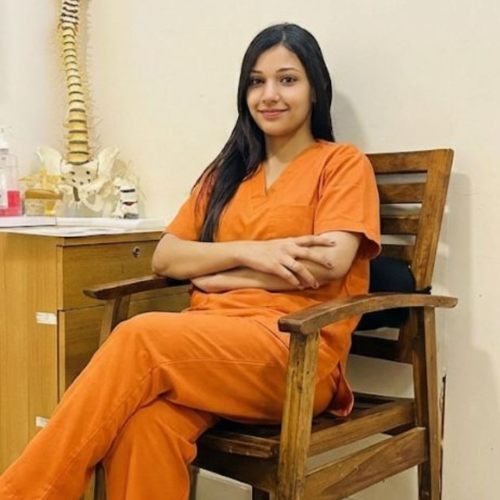
About the Author - Dr. Priya Gaur
Physiotherapist at My Rehabify
Dr. Priya Gaur (PT), MPT – Orthopaedics is the Founder and Chief Physiotherapist at My Rehabify Physiotherapy, Delhi. With 7+ years of clinical experience, she specializes in orthopedic, sports injury, neurological, and post-operative rehabilitation. This article is based on evidence-based physiotherapy practices and her extensive clinical expertise to provide accurate, reliable, and patient-focused health information.