
Does Cracking Joints Mean Arthritis? Here’s the Truth
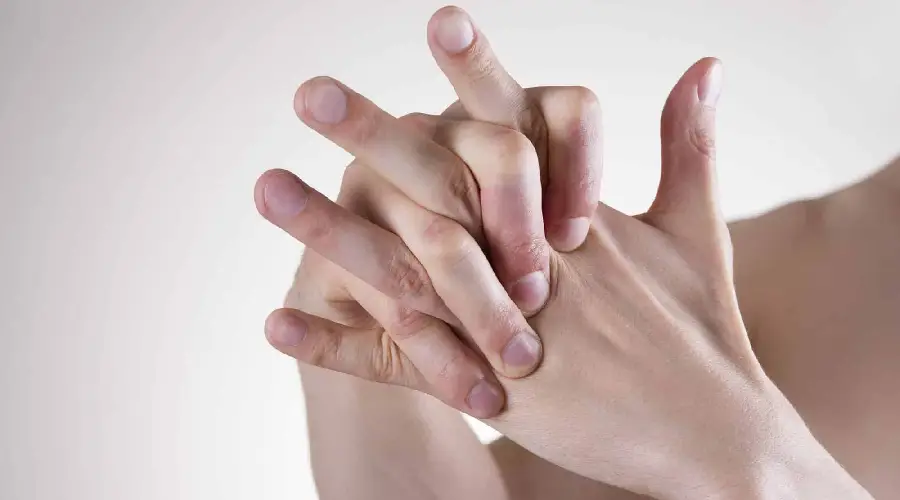
Table of Contents
| • What Is Joint Cracking? |
| • Why Do Joints Crack? |
| • Does Joint Cracking Always Mean Arthritis? |
| • When Could Joint Cracking Be a Concern? |
| • What Is Arthritis? |
| • Difference Between Normal Joint Cracking and Arthritis Symptoms |
| • Why Knee Cracking Is So Common |
| • Is Cracking Your Knuckles Harmful? |
| • Common Reasons Joint Sounds Increase With Age |
| • How Physiotherapy Helps Joint Health |
| • Role of Exercise Therapy in Healthy Joints |
| • Common Mistakes People Make |
| • Tips to Maintain Healthy Joints |
| • When Should You Consult a Physiotherapist? |
| • Why Choose Rehabify? |
| • Frequently Asked Questions |
| • Conclusion |
Many people notice cracking, popping, or clicking sounds in their joints during daily movements. Some hear these sounds while bending the knees, rotating the neck, stretching fingers, moving the shoulders, standing up, or exercising.
The moment these sounds appear, one common fear immediately comes to mind: “Do I have arthritis?”
The good news is that joint cracking does not always mean arthritis. In many cases, painless cracking sounds are completely normal and harmless. These sounds are often related to normal joint movement, gas bubbles inside the joints, or tendons moving during motion.
However, when joint noises are accompanied by pain, swelling, stiffness, or reduced movement, they may indicate an underlying joint problem that should not be ignored.
Understanding the difference between harmless joint sounds and warning signs is important for maintaining long term joint health and mobility.
In this article, we will understand why joints crack, whether it means arthritis, and when physiotherapy may help.
What Is Joint Cracking?
Joint cracking refers to popping, clicking, snapping, or cracking sounds that occur during movement.
These sounds may come from:
• knees 🦵
• fingers ✋
• neck 🧍
• shoulders 💪
• ankles 👣
• hips 🚶
• back 🦴
The medical term commonly associated with these sounds is “crepitus.”
In many cases, these sounds happen without pain or discomfort and are considered completely normal.
Why Do Joints Crack?
There are several reasons why joints produce sounds during movement.
Gas Bubble Release
One of the most common causes of joint cracking is the release of gas bubbles inside the joint fluid.
Joints contain synovial fluid, which helps lubricate movement.
When pressure changes inside the joint, tiny gas bubbles may burst and create a cracking sound.
This is commonly experienced while cracking knuckles.
Tendons and Ligaments Moving
Sometimes tendons or ligaments shift slightly over bones during movement.
This movement may create clicking or snapping sounds.
This is often harmless if there is no pain.
Joint Movement and Friction
As joints move, tissues may naturally create mild sounds due to movement and friction between structures.
This can increase slightly with age or reduced flexibility.
Muscle Tightness
Tight muscles around joints may alter movement mechanics and contribute to joint noises.
Reduced mobility can sometimes make these sounds more noticeable.
Does Joint Cracking Always Mean Arthritis?
No. Joint cracking alone does not automatically mean arthritis.
Painless joint sounds are extremely common and are often completely harmless.
Many healthy individuals experience occasional cracking in their:
• knees 🦵
• fingers ✋
• shoulders 💪
• neck 🧍
• ankles 👣
without having arthritis or any joint disease.
The presence of pain , swelling , stiffness , or movement difficulty is usually more important than the sound itself.
When Could Joint Cracking Be a Concern?
Joint cracking may require professional evaluation if it occurs along with:
Persistent symptoms may indicate joint irritation, inflammation, cartilage wear, or movement dysfunction.
pain
swelling
stiffness
reduced movement
joint instability
warmth around the joint
What Is Arthritis?
Arthritis refers to inflammation or degeneration affecting joints.
It may lead to:
• pain 🤕
• swelling 🩹
• stiffness 🧍
• reduced mobility 🚶
• difficulty moving joints ⚠️
There are different types of arthritis, including:
• osteoarthritis 🦵
• rheumatoid arthritis 🩺
• inflammatory arthritis 🔥
Joint sounds alone are not enough to diagnose arthritis.
Difference Between Normal Joint Cracking and Arthritis Symptoms
Normal Joint Cracking
- Usually painless
- Occasional sounds
- No swelling
- Full movement possible
- No joint warmth
- No functional limitation
Possible Arthritis Symptoms
- Pain during movement
- Persistent stiffness
- Joint swelling
- Reduced mobility
- Inflammation may be present
- Difficulty with daily activities
Why Knee Cracking Is So Common
Knee cracking is extremely common during:
• squatting 🏋️
• climbing stairs 🪜
• standing up 🚶
• exercise 🏃
The knee joint experiences significant load during daily activities.
Mild clicking without pain is often not serious and may simply be part of normal joint movement.
However, painful knee sounds combined with swelling or stiffness may indicate joint irritation or cartilage-related issues and should not be ignored.
Is Cracking Your Knuckles Harmful?
Many people believe knuckle cracking causes arthritis.
Current evidence does not strongly support that occasional knuckle cracking directly causes arthritis.
However, excessive forceful cracking may irritate surrounding tissues in some individuals.
Moderation is generally advisable.
Common Reasons Joint Sounds Increase With Age
As people age: This can make joint sounds more noticeable over time. Regular movement and strengthening exercises help support joint health.
joint flexibility may reduce
muscles may weaken
cartilage surfaces may change
movement patterns may alter
How Physiotherapy Helps Joint Health
Physiotherapy focuses on improving:
• mobility 🚶
• flexibility 🔄
• muscle strength 💪
• joint stability ⚖️
• movement mechanics 🎯
Even when joint cracking itself is harmless, associated stiffness or weakness may benefit from rehabilitation.
Treatment may include:
• exercise therapy 🏋️
• stretching 🤸
• strengthening exercises 💥
• posture correction 🧍
• mobility training 🚶♂️
• ergonomic advice 🪑
The goal is to improve movement quality and reduce unnecessary stress on joints.
Role of Exercise Therapy in Healthy Joints
Movement is essential for healthy joints.
Exercise therapy helps: Weak muscles often increase stress on joints during daily activities.
Guided exercises help improve movement efficiency and long term joint function.
maintain flexibility
improve circulation
strengthen supporting muscles
reduce stiffness
Common Mistakes People Make
Completely Avoiding Movement
Fear of joint sounds may lead some people to stop exercising unnecessarily. Lack of movement can worsen stiffness and weakness.
Ignoring Painful Symptoms
Painful cracking should not be ignored, especially if movement becomes difficult.
Poor Posture and Sedentary Lifestyle
Long sitting hours and inactivity may contribute to stiffness and altered movement patterns.
Self Diagnosing Arthritis
Joint sounds alone are not enough to diagnose arthritis. Professional evaluation is important when symptoms persist.
Tips to Maintain Healthy Joints
Stay Physically Active
Regular movement supports joint lubrication and flexibility.
Strengthen Muscles
Strong muscles provide better joint support.
Maintain Good Posture
Proper posture reduces stress on joints.
Stretch Regularly
Flexibility exercises help reduce stiffness.
Avoid Prolonged Sitting
Movement breaks help maintain mobility.
Maintain Healthy Body Weight
Excessive joint loading may increase strain over time.
When Should You Consult a Physiotherapist?
Consult a physiotherapist if:
• joint cracking becomes painful 🤕
• stiffness increases 🧍
• swelling develops 🩹
• movement feels restricted 🚶
• joints feel unstable ⚖️
• daily activities become difficult 🏡
Early rehabilitation may help improve movement and prevent worsening symptoms.
Why Choose My Rehabify?
At My Rehabify, rehabilitation programs focus on improving movement quality and long term joint health.
Our approach includes:
• posture assessment 🧍
• exercise therapy 🏋️
• mobility training 🚶♂️
• strengthening programs 💪
• joint stability exercises ⚖️
• personalized rehabilitation plans 🎯
The goal is to help individuals move comfortably and maintain healthy joints naturally.
Frequently Asked Questions
Is joint cracking normal?
Yes. Painless joint cracking is common and often harmless.
Does cracking knuckles cause arthritis?
Current evidence does not strongly prove that occasional knuckle cracking causes arthritis.
Why do my knees crack while climbing stairs?
Mild knee sounds during movement are common, especially if there is no pain.
When should joint cracking be taken seriously?
Professional evaluation is recommended if cracking occurs with pain, swelling, stiffness, or movement difficulty.
Can physiotherapy help stiff joints?
Yes. Physiotherapy and exercise therapy can improve mobility, flexibility, and joint function.
Conclusion
Joint cracking sounds are very common and do not automatically mean arthritis. In many cases, painless popping or clicking occurs naturally due to joint movement, gas release, or tendon movement. However, joint sounds accompanied by pain, swelling, stiffness, or reduced mobility should not be ignored. Physiotherapy and exercise therapy can help improve joint health, mobility, flexibility, and movement control naturally. If you are experiencing painful joint stiffness or movement discomfort, Rehabify can help you with personalized rehabilitation programs designed according to your needs.

About the Author - Dr. Priya Gaur
Physiotherapist at My Rehabify
Dr. Priya Gaur (PT), MPT – Orthopaedics is the Founder and Chief Physiotherapist at My Rehabify Physiotherapy, Delhi. With 7+ years of clinical experience, she specializes in orthopedic, sports injury, neurological, and post-operative rehabilitation. This article is based on evidence-based physiotherapy practices and her extensive clinical expertise to provide accurate, reliable, and patient-focused health information.